LightBlog

mercredi 1 avril 2020

Oppo Find X2 Pro review: Gunning for the Galaxy S20

If you weren't paying attention to Oppo before, now's the time to start.

Find X2 Pro review

Although a behemoth in Asia, Oppo is still relatively new to Western markets. The past year saw a few high-profile launches for the brand, but Oppo still has a way to go in terms of brand recognition and perception in Europe.

So in 2020, the company has reorganized its often confusing collection of flagships, positioning the Find X line as its main high-end brand. The new phone, the Oppo Find X2 Pro, isn't an outlandish, borderline experimental device like the original Find X. Instead, Oppo's goal has just been to build a really solid, top-to-bottom Android flagship that ticks every possible box.

And having spent a little under two weeks getting to know the Find X2 Pro, it's clear to me that this is one of the best Android phones of the moment.

At a glance

Oppo Find X2 Pro
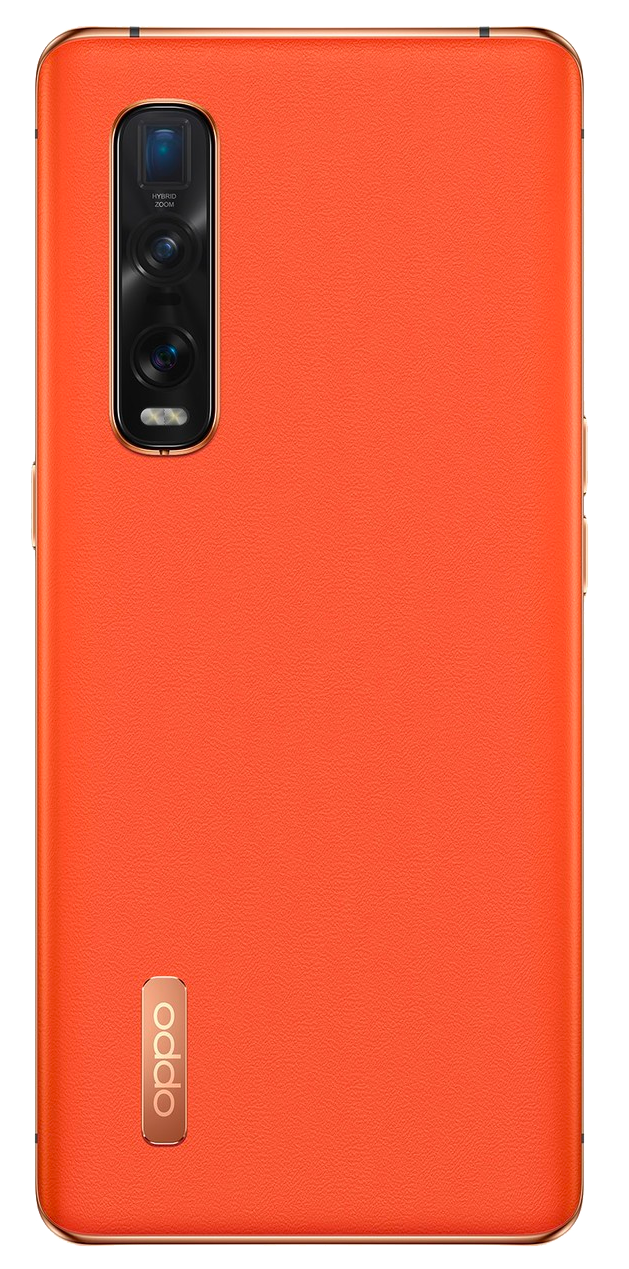
Bottom line: If you weren't paying attention to Oppo before, now's the time to start. The company's new standard-bearer delivers everything you'd want out of a 2020 flagship, from display to camera to design. Although not cheap, the Find X2 Pro justifies its high price just as much as any other competitor in this category.

The Good

  • Gorgeous 120Hz display
  • Pleasing design, especially in "vegan leather"
  • Capable camera setup with smooth stabilized video
  • ColorOS adds some genuinely useful features

The Bad

  • Some software quirks
  • No wireless charging
  • Oppo's slow platform update track record

See at Carphone Warehouse

About this review

This review was written after just over two weeks with a European 5G Oppo Find X2 Pro (model CPH2025) in orange "vegan leather." For the first few days of the review period it was running software version A.04, before receiving an update to A.06. Oppo has informed us that this is not yet final firmware and that further bug fixes and improvements will arrive before the phone goes on sale in May.

Oppo Find X2 Pro Hardware and Design
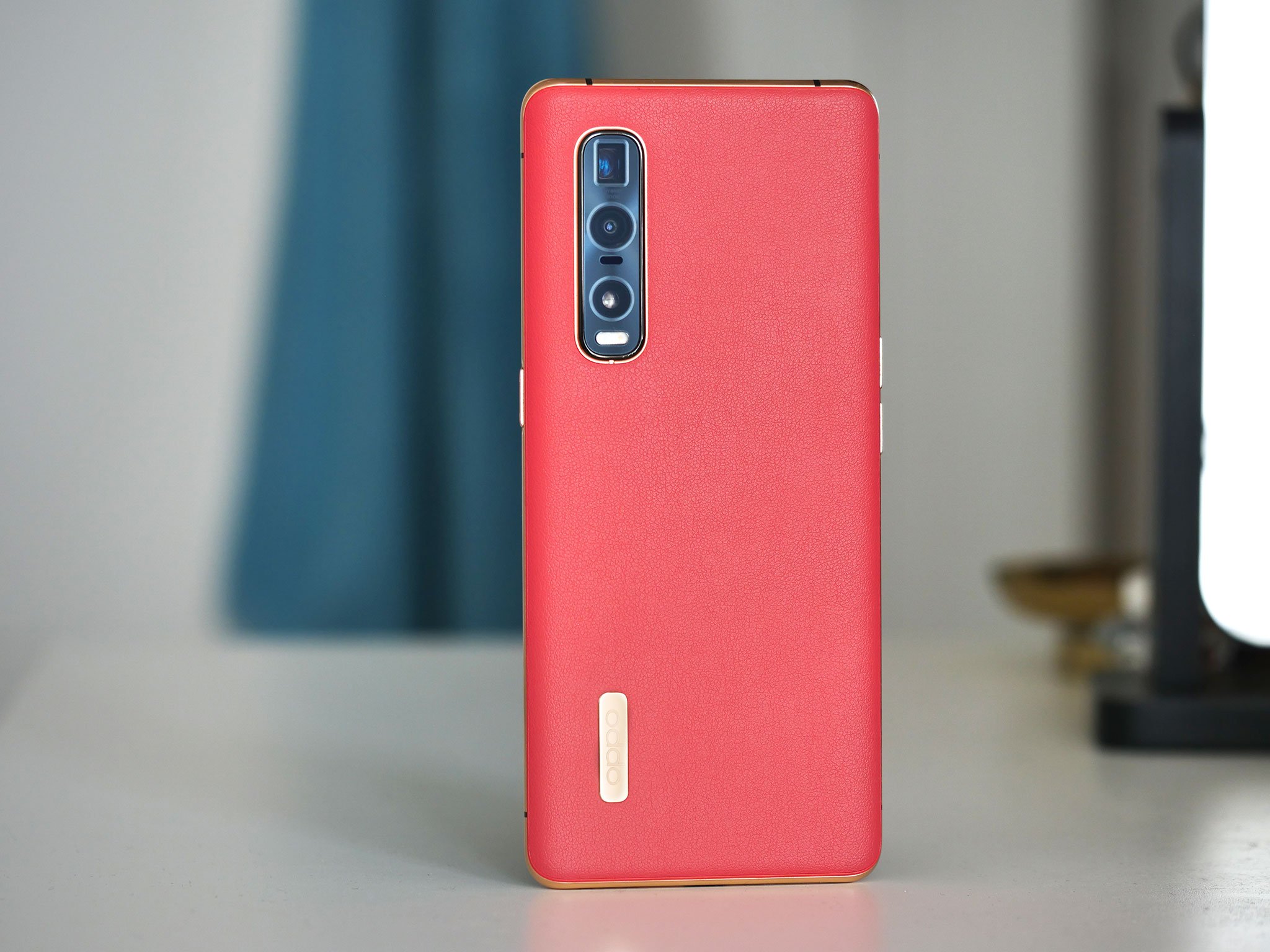
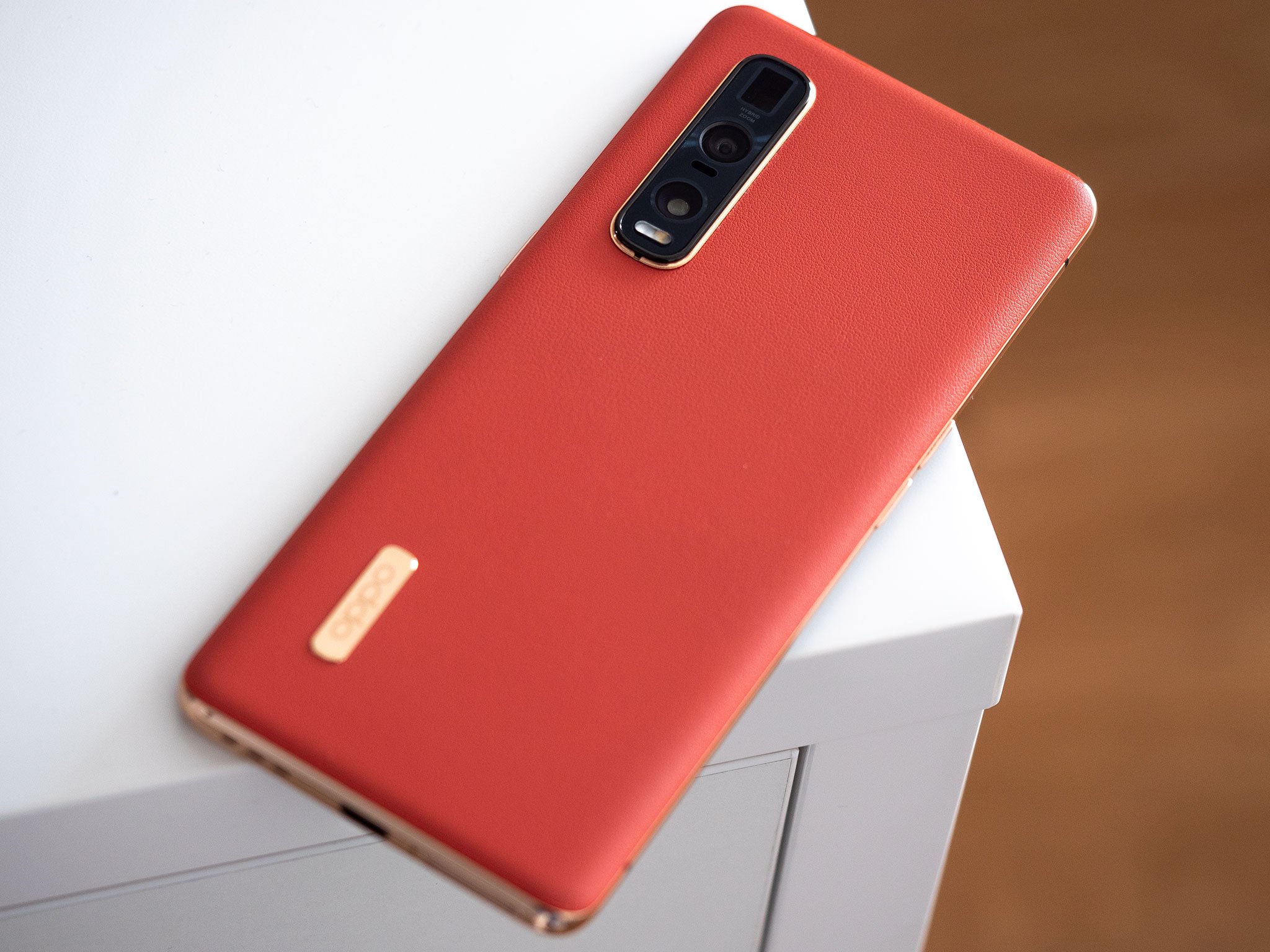
Some fans of the original Find X may be disappointed by the move towards a more traditional smartphone design in the follow-up, but the newly slab-shaped, motor-free Find X2 Pro is incredibly well put together. I've been using the Find X2 Pro in orange "vegan leather," which is effectively fancy textured polycarbonate. Sure, any amount of close inspection reveals that this is indeed plastic and not leather. But having used countless glass and metal slabs over the past year, the new material is a breath of fresh air. The outer frame is still fashioned from glossy, polished metal, with a stylized depressed oval shape top and bottom. On the model I've been using, the golden hue complements the orange back panel.

The unique texture of the Find X2 Pro also helps with grip — useful in such a large phone — making it among the least fingerprinty devices I've used of late.

Should you want a more conventional look for your phone, there's also a ceramic-backed Find X2 Pro, which I used briefly at the device's London launch event, and probably feels more like the phone in your pocket right now.

The Find X2 in '"vegan leather'" is an exceptionally pretty phone.

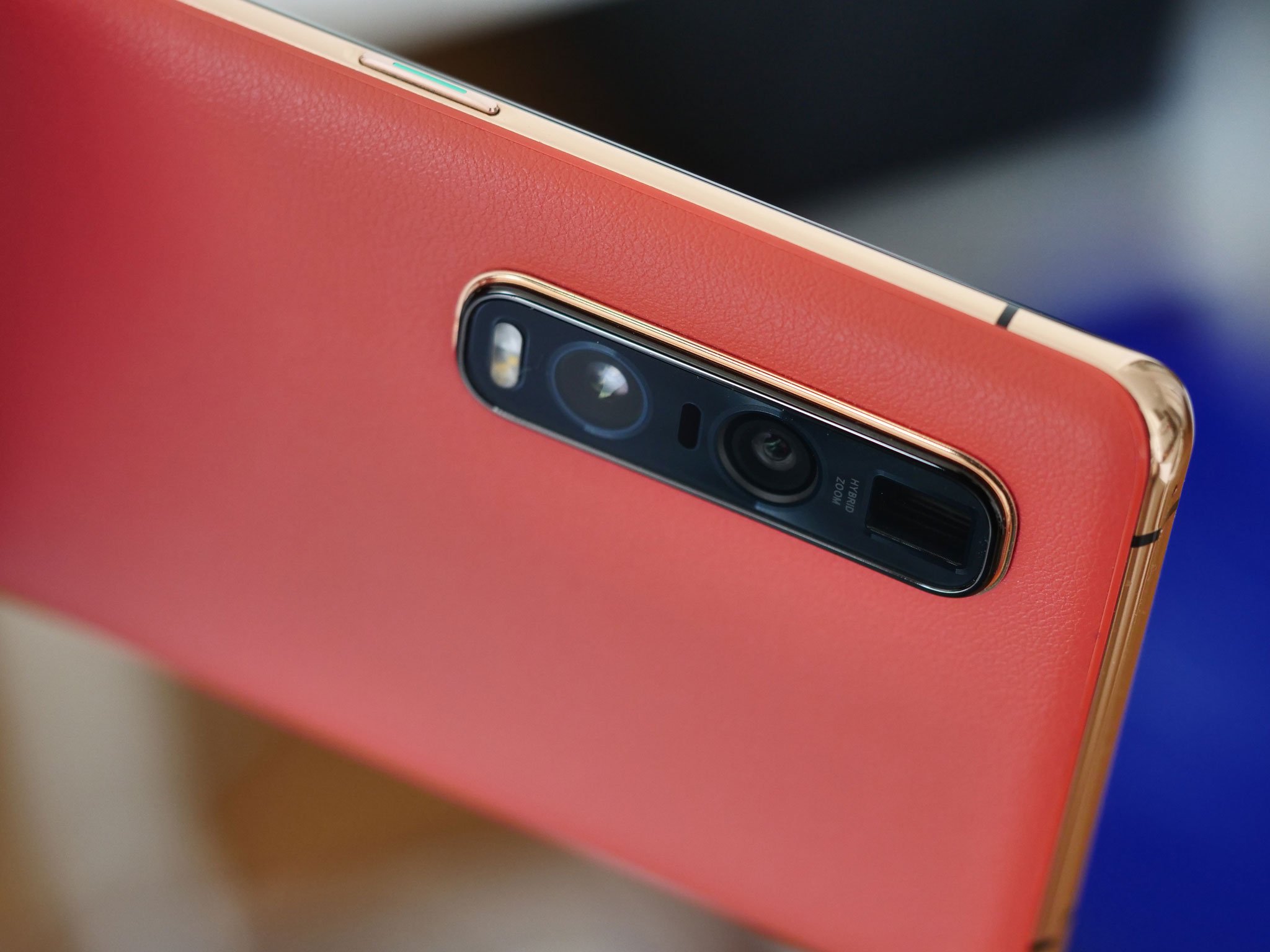
As much as the vegan leather coating dominates the rear of the Find X2 Pro, it's also home to a chunky vertical camera protrusion, which houses a triple-lens array, and a metal Oppo badge down below. I had been concerned that this would quickly pick up knocks and scrapes, but in my first few weeks of use, it's held up pretty well — just one minor scratch towards the bottom of the badge. (Though granted, a decent chunk of that time has been spent indoors owing to the current global health situation.)

Nevertheless, this is an exceptionally pretty phone and one that manages to stand out thanks to its choice of materials and the impressive execution of its design. The hand feel is comfortable, and I found grip and reachability to be less challenging than other similarly sized phones. Haptic feedback, too, is top-notch, with satisfyingly firm taps.

On the inside, the Find X2 Pro is equally impressive. It's powered by Qualcomm's top-tier Snapdragon 865 processor with integrated 5G, along with 12GB of RAM and 256 or 512GB of storage (I've been using the 512GB version).

Oppo's also shipping a standard, non-Pro Find X2, which downgrades the water-resistance spec, the memory, and some of the cameras, to keep the price down.

Oppo Find X2 series hardware specifications

Category Find X2 Find X2 Pro
Operating system Android 10
ColorOS 7.1
Android 10
ColorOS 7.1
Display 6.7-inch 120Hz Ultra Vision AMOLED
3168x1440
Gorilla Glass 6
6.7-inch 120Hz Ultra Vision AMOLED
3168x1440
Gorilla Glass 6
Chipset Snapdragon 865
1 x 2.84GHz Kryo 585
3 x 2.42GHz Kryo 585
4 x 1.80GHz Kryo 585
Adreno 650
7nm
Snapdragon 865
1 x 2.84GHz Kryo 585
3 x 2.42GHz Kryo 585
4 x 1.80GHz Kryo 585
Adreno 650
7nm
RAM 12GB
LPDDR5
12GB
LPDDR5
Storage 256GB
UFS3.0
512GB
UFS3.0
MicroSD slot No No
Rear camera 1 48MP (IMX586), f/1.7, 1/2-inch
OIS, 4K at 60fps
48MP (IMX689), f/1.7, 1/1.4-inch
All-Pixel Omnidirectional PDAF
Dual OIS, 4K at 60fps
Rear camera 2 12MP (IMX708), f/2.2, 1/2.4-inch
wide-angle 120-degree FoV
48MP (IMX586), f/1.7, 1/2-inch
wide-angle 120-degree FoV
Rear camera 3 13MP (IMX616), f/2.4
5x hybrid zoom, 20x digital zoom
13MP, f/3.0
10x hybrid zoom, 60x digital zoom
Front camera 32MP (IMX616), f/2.4
1080p video
32MP (IMX616), f/2.4
1080p video
Connectivity Wi-Fi 6 2x2 MIMO
Bluetooth 5.1, NFC
A-GPS, Beidou
Wi-Fi 6 2x2 MIMO
Bluetooth 5.1, NFC
A-GPS, Beidou
5G networks NSA: n1/3/5/7/28A/41/77/78
SA: 41/78
NSA: n1/3/5/7/28A/40/41/77/78/79
SA: 41/78/79
Audio USB-C
Stereo speakers
USB-C
Stereo speakers
Battery 4200mAh (2*2100mAh)
Non-removable
4260mAh (2*2130mAh)
Non-removable
Charging USB-C
65W SuperVOOC 2.0
10V/6.5A
USB-C
65W SuperVOOC 2.0
10V/6.5A
Security In-screen fingerprint In-screen fingerprint
Wireless Charging No No
Water resistance IP68 IP68
Colors Black Ceramic, Ocean Black Ceramic, Orange Vegan Leather

Oppo Find X2 Pro Display

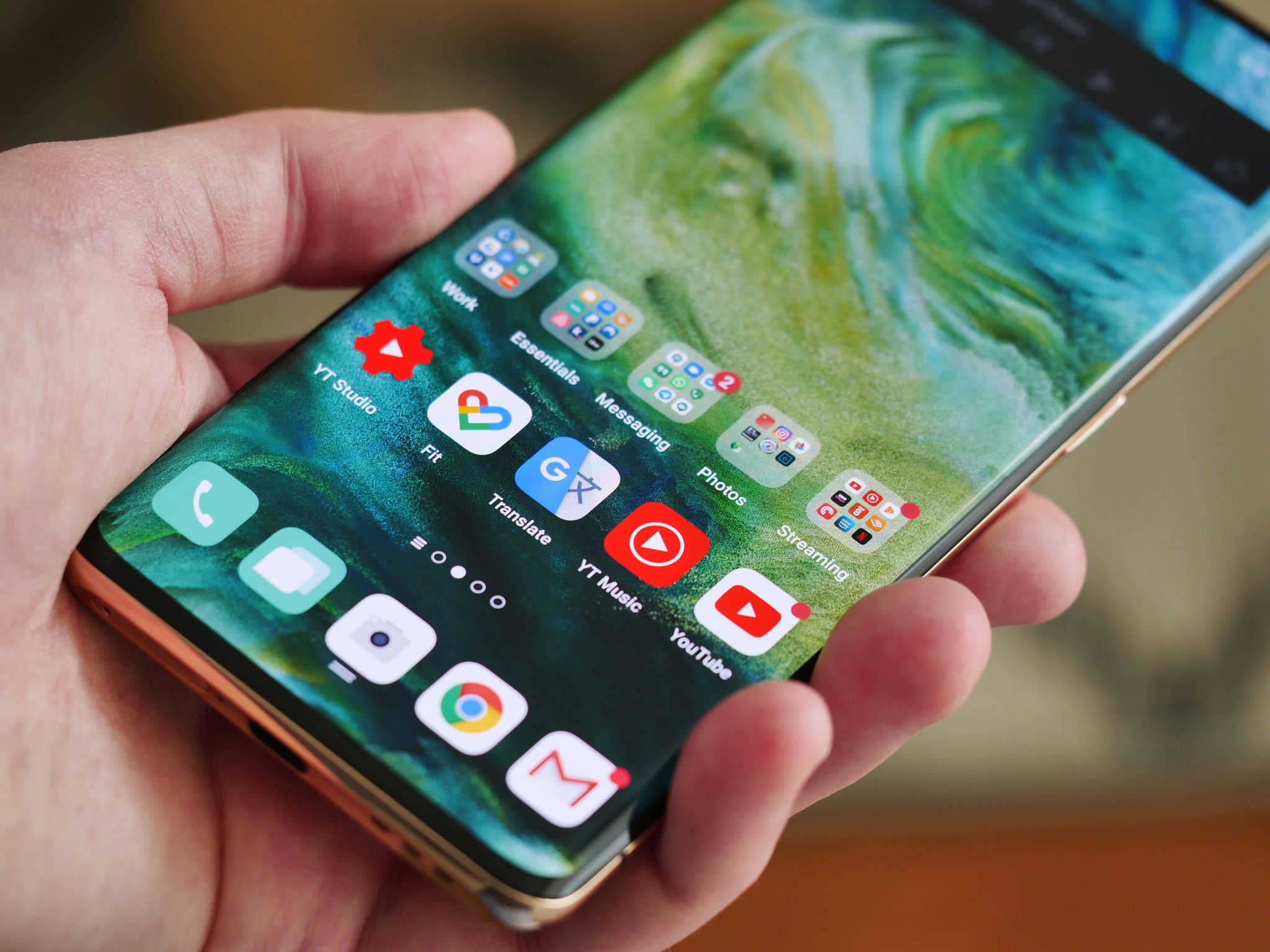
This phone's star attraction is, without a doubt, its display. It's a 6.7-inch Quad HD+ OLED panel packed with proprietary Oppo technology and a glorious 120Hz refresh rate. As you'll know if you've read our Samsung Galaxy S20 series reviews, a high refresh rate like this will instantly ruin any other phone screen for you. The extra fluidity of a high refresh rate, and the accompanying 240Hz touch sampling rate, is a revelation for smartphone performance.

120Hz smoothness will ruin just about every other phone screen for you.

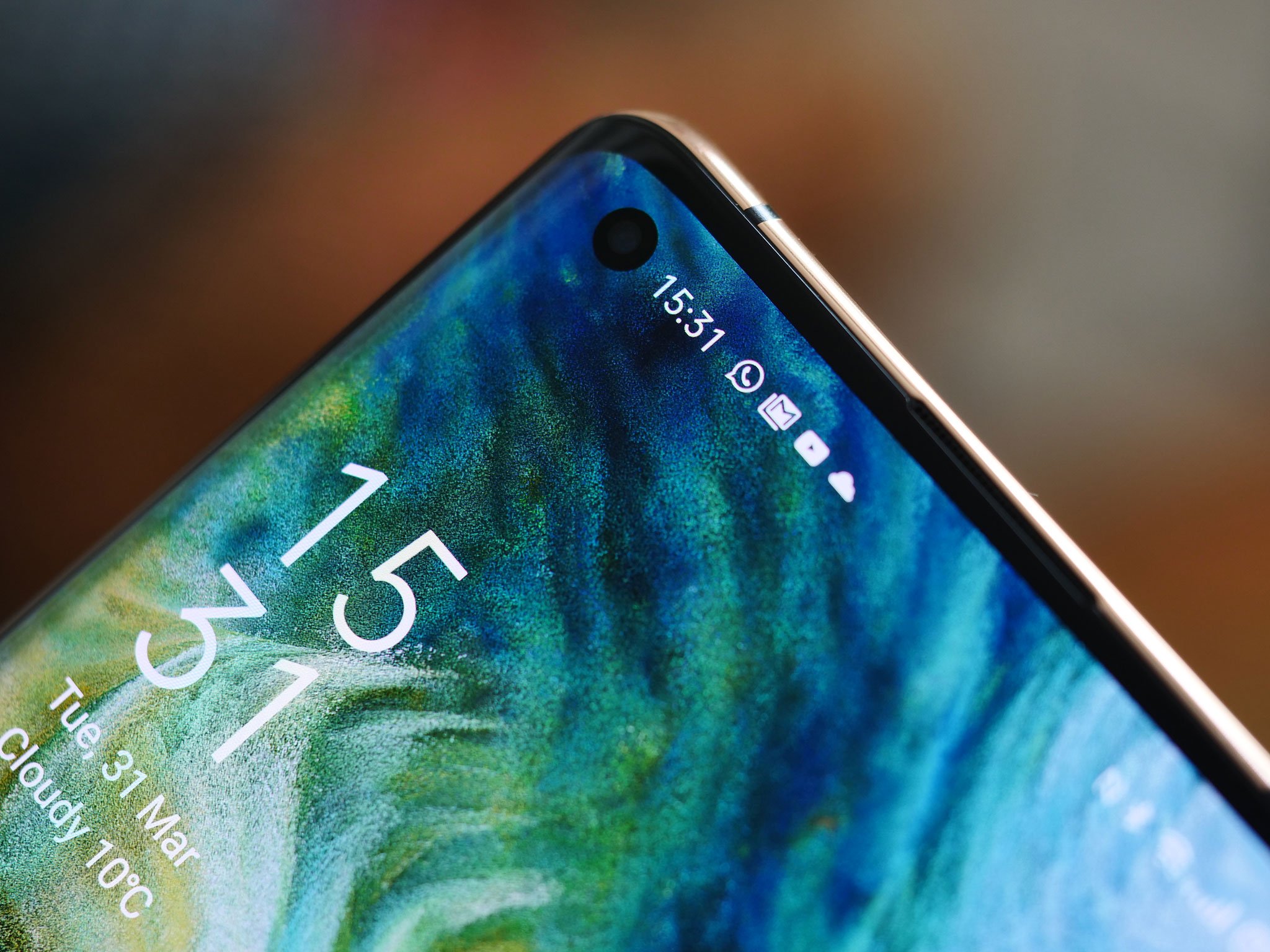
Bezels are minimal, with only the slightest hint of a "chin" area down below, and a subtle curve to the glass surface on the horizontal. The only blemish is the hole-punch selfie camera in the top left corner. This may be a turn-off for some, but it is sure to be one of the major smartphone trends of the year, and I've long since made my peace with the idea that these things are going to be around for the foreseeable future. Even in video playback and photo viewing, where the whole screen is in play, I haven't been particularly bothered by it.

The display is also extensively configurable, from basic tweaks like white balance and color vibrance, to the "O1 Ultra Vision Engine," which can upscale non-HDR and lower-frame-rate video content to up to 120Hz with HDR.

The 120 nits of peak local brightness (or 800 nits total across the panel) also makes for easy daylight visibility, while the lowest brightness levels combined with Dark Mode can help with comfortable late-night viewing.

Anecdotally, I've also found the battery hit of using 120Hz mode (or more accurately, Oppo's Auto Select mode, which dynamically switches from 60-120Hz), to be fairly minimal. The extra hertz are definitely not free, and if battery life is your top priority, then you'll want to stick to the lower refresh rate. But the dilemma of battery life versus display smoothness really hasn't been the source of much anxiety for me.

Oppo Find X2 Pro Battery Life
The Oppo Find X2 Pro packs an ample 4,260mAh battery inside. But it's also a 5G phone with a fast refresh rate and a ton of other whizbang features. As such, I've found battery life to be dependable but not to the same extremes as the (4G, 60Hz) Huawei Mate 30 Pro I recently moved out of. With my usage, I'm getting comfortable four or five hours of screen-on time across a full day of use. That's perfectly fine, but for heavy users, this isn't a two-day phone.

Run-of-the-mill longevity, but lightspeed charging.

That's not such a big deal, though, considering the speed of Oppo's SuperVOOC 2.0 65W wired charging. You'll need to use the special charging brick and cable bundled in the box, but doing so can get you out of the danger zone in just a few minutes. I've stopped worrying about charging overnight, because I know that however low the charge is in the morning, I can be back in action in the time it takes to make a cup of coffee.

For a full charge from dead, Oppo quotes 38 minutes, which broadly matches with my experience.

Finally, the one trade-off in this department: there's no wireless charging on offer here, which is somewhat disappointing when the likes of Huawei are pushing Qi charging to even quicker charging speeds. But if you're happy to stick to wired, you'll get the fastest refills in any smartphone we've so far tested.

Oppo Find X2 Pro Software and Performance
Before using the Find X2 Pro, it'd been a good few years since I'd used an Oppo phone with the company's Android-based ColorOS. To put it mildly, I did not have fond memories of the software: It was overbearing, ugly, and rife with app-breaking bugs.

Fortunately, none of the above applies to the latest ColorOS 7.1 — which, to my surprise, I've actually enjoyed using over the past couple of weeks. Just like Samsung and LG, Oppo has its own distinctive visual style, with green hues, clean whites, and stylized wireframe icons. It's all very easy on the eyes. ColorOS's core apps and UI are pleasantly animated, and thanks to the speedy processor and display, the Find X2 Pro absolutely flies.
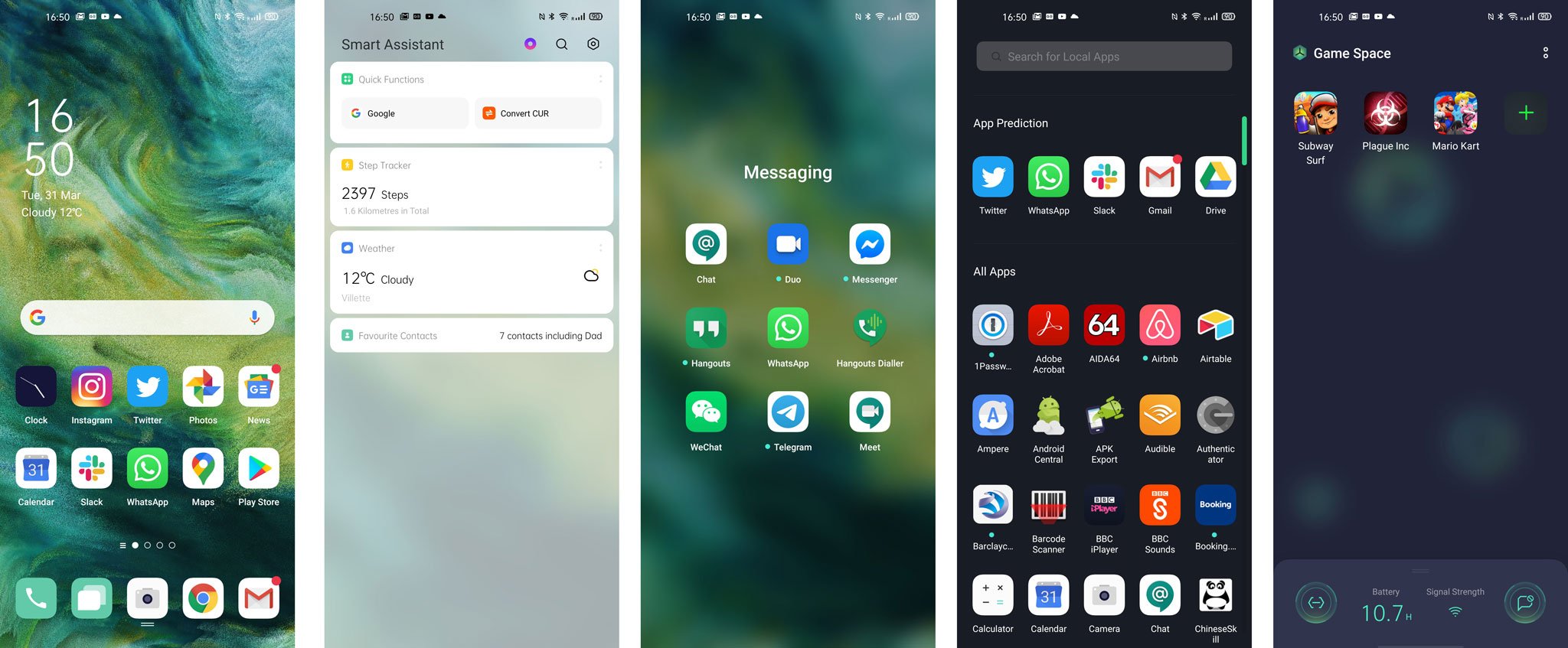
ColorOS is actually good now.

That exceptional performance extends to the phone's biometrics. I've found the new, larger optical fingerprint scanner more reliable and slightly faster than the previous generation, especially when using fingers other than my right thumb. The same goes for the face unlock feature, which admittedly isn't as secure as 3D scanning systems used in the iPhone, Google Pixel 4, and others.

I've also found some genuinely useful features in ColorOS, particularly around multitasking. A three-fingered swipe easily splits the screen into multi-window mode — far easier than the multiple taps required to do this in vanilla Android. And the quick shortcut bar allows you to pin certain chat apps, such as WhatsApp, in a kind of floating "chat head," making it far easier to hop between these apps and whatever else you might be doing.
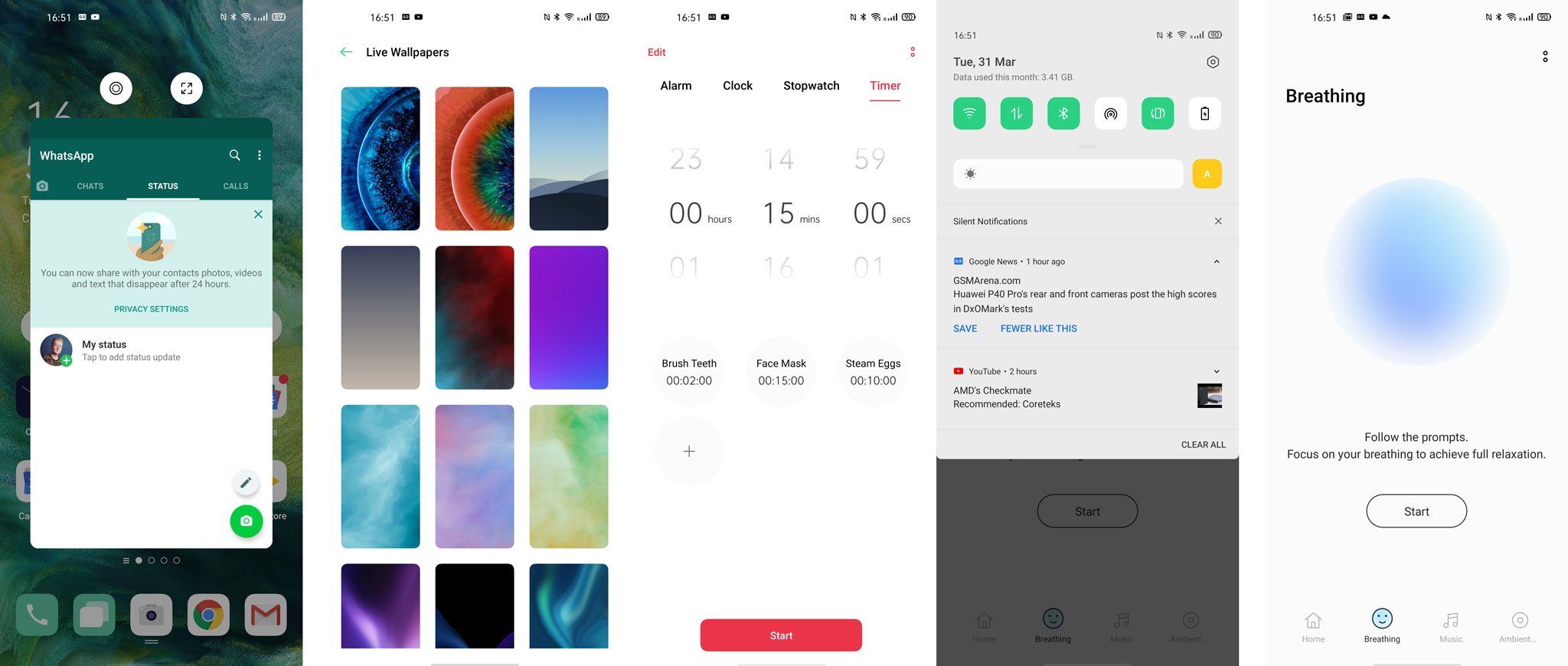
Meanwhile, the preloaded Oppo Relax app comes with soothing ambient sounds and visuals for guided breathing, as well as ambient music and white noise tracks. It sounds like a small thing, but in an increasingly nightmarish year, it's something I think many buyers will be thankful for.

Oppo's home screen launcher lacks Google Feed integration, instead opting for the company's own Smart Assistant panel, a sort of iOS-style widget shelf that's underdeveloped at present and not a whole lot of use.

As with any highly opinionated smartphone software, however, there are some bugbears to note. The most irritating ColorOS feature I've encountered is the default behavior of the status bar, which doesn't show icons for all notifications. Instead, each app has to be manually toggled on. This, in turn, results in a confusing disconnect when only a handful of apps show an icon in the status bar, yet notifications from other apps may be waiting in the notification shade.

What's more, Oppo has a pretty weak track record for Android platform updates, especially compared to the likes of Samsung, which has vastly improved over the past year. Unless Oppo changes tack dramatically, Find X2 Pro owners are likely to face an extended wait for Android 11 and future versions.

Oppo Find X2 Pro Cameras
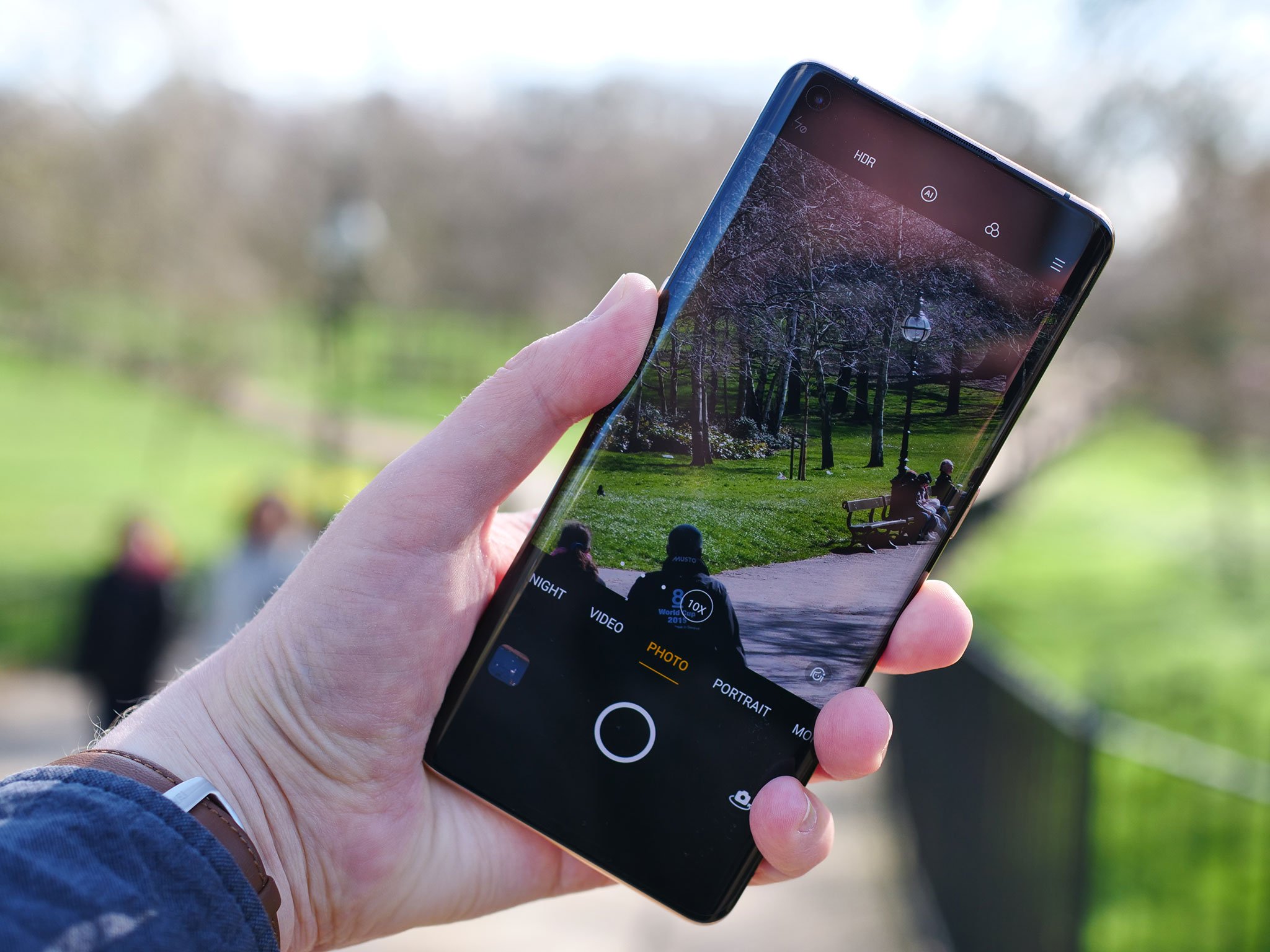
A note on camera performance: The device we're using hasn't yet received final retail firmware. We'll update our review with impressions from the final firmware when it's available.

Oppo cut its teeth on periscope cameras with last year's Reno series, and the trend of super-long telephotography continues in the Find X2 Pro. Alongside a redesigned (and much larger) main sensor and a capable ultrawide option, the phone features a second-gen 13-megapixel 5X telephoto zoom that's good at up to 10X in hybrid zoom mode.

Oppo Find X2 Pro camera specs

Camera Details
Rear camera 1 48MP (IMX689), f/1.7, 1/1.4-inch
All-Pixel Omnidirectional PDAF
Dual OIS, 4K at 60fps
Rear camera 2 48MP (IMX586), f/1.7, 1/2-inch
wide-angle 120-degree FoV
Rear camera 3 13MP, f/3.0
10x hybrid zoom, 60x digital zoom
Front camera 32MP (IMX616), f/2.4
1080p video

All of the above hardware makes for an incredibly versatile camera setup. The main sensor isn't as large as those seen in Huawei's P40 series, or Samsung's Galaxy S20 Ultra, but nevertheless performs spectacularly across a wide range of scenarios.

Whether you're using the ultrawide or primary sensor, colors are consistent and accurate, with ample dynamic range even in challenging situations like shooting directly into a sunset. In portrait shots, skin tones aren't oversoftened like some Samsung phones. The new main sensor and f/1.7 lens can capture some impressive macro shots. And at night, there's plenty of color detail thanks to the automatic night mode that kicks into action.

Competent performance across a versatile array of cameras.

That's part of Oppo's new AI shooting feature, called — ahem — AI Color Dazzle. Despite the cringey name, this is adept at detecting the usual array of scenes — cat, sunset, landscape, indoors, etc., and tweaking colors accordingly.

The Find X2 is a competent performer in low light, too. Although it doesn't reach the dizzy heights of Huawei's latest P40 series, with its enormous 1/1.28-inch sensor, I've been impressed with most of the night-time and darker indoor shots captured by the main and ultrawide sensors.

When it comes to the 5X periscope telephoto, Oppo does an admirable job in daylight and some indoor scenes, though as with most telephoto lenses like this, quality quickly degrades in night-time scenes. (It'll then revert back to a grainy 5X crop of the main sensor.)
Having used the Huawei P30 Pro for much of 2019, I'm very familiar with the quicks of that first-gen telephoto setup. And Oppo's latest hardware improves further upon the concept, with a solid 10X hybrid zoom and improved fine detail compared to last year's Huawei phone. If you're unfamiliar with this kind of telephoto lens, the added versatility that usable 5X and 10X zoom brings to a smartphone camera is phenomenal, giving you impressive close-ups that often don't look like they were taken on a smartphone.

The 5X camera also provides a great showcase for Oppo's new video stabilization features in the Find X2 Pro. Oppo's software stabilization works on all the rear cameras, and does an excellent job of smoothing handheld pan shots, and completely eliminating hand-shake in static shots. The result is an almost magical level of stabilization, which in 5X and 10X mode is particularly impressive considering how juddery the viewfinder can become while shooting.

Oppo Find X2 Pro Should you buy it?

It's really hard to fault the Oppo Find X2. This phone delivers in all the key areas you'd expect from a premium handset in its price bracket: display quality, performance, camera capabilities, and charging speeds. What's more, it establishes Oppo as a true competitor to Samsung in Western markets. Oppo goes toe-to-toe with the Korean giant's latest flagships, and in some areas, comes out on top. With Huawei still struggling to build out its own software ecosystem, the Find X2 Pro could replace its local rival as the go-to alternative to the Galaxy S20.

One of the best flagships of 2020 so far.

For Oppo, weaknesses remain in areas such as software features and update cadence, but none of the Find X2 Pro's UI and feature quirks are serious enough to detract much from the overall package. This is an exceptional phone that's worth your money just as much as the current Samsung flagships.

4.5 out of 5

It's certainly not cheap, and there is definitely better value for money to be found elsewhere, likely starting with sister brand OnePlus's new phones in mid-April. But if you're inclined to spend upwards of €1000 on a shiny new Android handset, the Find X2 Pro should definitely be on your shortlist.

At a glance

Oppo Find X2 Pro

If you weren't paying attention to Oppo before, now's the time to start. The company's new standard-bearer delivers everything you'd want out of a 2020 flagship, from display to camera to design. Although not cheap, the Find X2 Pro justifies its high price just as much as any other competitor in this category.

See at Carphone Warehouse


from Android Central - Android Forums, News, Reviews, Help and Android Wallpapers https://ift.tt/2WZ21lh
via IFTTT


Uncharted 4: A Thief's End and Dirt Rally 2.0, free this month on PS Plus

One of the biggest perks of having a PlayStation Plus membership is the free games you get every month. The games PlayStation is offering this month include two major titles. Check out the list below, start downloading these games on April 3rd. Enjoy the price of -free- until May 7, 2020.

★ Featured favorite

Uncharted 4: A Thief's End

Enjoy the latest chapter in the life of Nathan Drake. Several years after his last adventure, our favorite retired fortune hunter is forced back into the world of thieves. And this time there is pirate treasure!

See at PlayStation Store

★ Hit the apex

Dirt Rally 2.0

Carve your way through a set of off-road courses in some iconic locations throughout the world — from the U.S. to New Zealand. Race down each trail with some of the most powerful off-road vehicles made.

See at PlayStation Store

The best exclusives for PlayStation Plus this month

Exclusives are free bonus content available on the PlayStation Store for PlayStation Plus subscribers. It's usually a character or weapon skin, but sometimes you might catch a deal for exclusive content like bonus weapons, in-game currency, or perks! Every month we'll update this section with the best PlayStation Plus exclusives so you never miss any of the good stuff.

Pidgeon what?

Path of Exile: PlayStation Plus Bundle Five

Pick up the fifth PlayStation Plus bundle for Path of Exile. In this pack, you get a Divine Skull Helmet and a Faith Guard Pigeon Pet. Who doesn't want pets in almost any game?

See at PlayStation Store

Looking Good

TERA: Sports PS Plus Pack

If you play Tera, the Sports PS Plus pack is a great grab. Get a box of sports headwear including caps, bandanas, and helmets. And on top of this accessory box, you get a week of Elite status for free.

See at PlayStation Store

The best deals for PlayStation Plus this month

Outside of free games and exclusive content, PlayStation Plus accounts also come with discounts on select games. Each month, we'll let you know what the best deals for PlayStation Plus accounts are by comparing prices, deals, and content.

60% off

Dabbing Astronaut Avatar

A number of avatars are on sale this month. The dabbing astronaut is a favorite but also check out all the Qberts.

See at PlayStation Store

Which is your favorite game you've gotten for free with PlayStation Plus?

The free games this month are pretty good. The February BioShock offer was probably my favorite pack to get with PS Plus but getting Uncharted: A Thief's End free is a very close second. This is one I have been wanting since playing the Nathan Drake collection but there are always so many games to play. If you are more of a racing fan and want to hit up something with a different feel than the classic NASCAR tracks, you are in luck. Grab your free Dirt Rally 2.0 and hit those off-road courses.

I love my PlayStation Plus account because it gives me a reason to play the games I wouldn't play without the incentive this membership provides. There have been many months where I was able to play a game full of nostalgia that I would have never thought to download otherwise. Let us know which game you've loved and which one you're excited about this month! Shoot us a Tweet over at @AndroidCentral and tell us all about it!


from Android Central - Android Forums, News, Reviews, Help and Android Wallpapers https://ift.tt/2nAUhmg
via IFTTT

Nokia 7.2 begins receiving Android 10 update with March 2020 security patch

HMD Global has rolled out Android 10 to a total of eight smartphones so far.

What you need to know

  • HMD Global has finally started rolling out the Android 10 update for its mid-range Nokia 7.2.
  • Along with all the major Android 10 features, the update brings the March 2020 security patch as well.
  • The update is being rolled out in stages.

Last month, HMD Global announced that it was revising its Android 10 update schedule due to the coronavirus outbreak. The updated roadmap also revealed that the Android 10 update for the Nokia 7.2, Nokia 6.2, and Nokia 2.3 would be released sometime between Q1 and Q2 2020. Just as promised, the company has now started pushing Android 10 to the mid-range Nokia 7.2.

The update arrives as software version V2.250 and comes with all the major new features that the latest Android version brings to the table. These include a system-wide dark mode, smart replies, gesture navigation, as well as additional controls for privacy and location. Along with the new features, the update comes with the March 2020 Android security patch as well.

Unsurprisingly, the update has so far been rolled out only to a small number of users. Since the update is being rolled out in stages, most Nokia 7.2 owners will have to wait slightly longer to receive it. To check for the update manually, tap Settings > System > Advanced > System update.

Nokia 7.2

$250 at Best Buy

The Nokia 7.2 is a great mid-range Android smartphone that offers a premium design, fantastic display, and impressive battery life. It also happens to be an Android One device, which means it is guaranteed to receive two major OS updates and security updates for up to three years.


from Android Central - Android Forums, News, Reviews, Help and Android Wallpapers https://ift.tt/2R09uwo
via IFTTT

Samsung's 55-inch 4K HDR Smart TV has dropped to $571 at BuyDig

The Samsung RU8000 55-inch 4K HDR TV is down to $571.34 at BuyDig. You have to add it to your cart and go all the way through checkout to see the final price, but right before you pay you should see the discount applied. Without the discount, the TV is $700 and you can find it going for that price at most retailers including Best Buy. This TV did once drop as low as $500, but that was a deal exclusive to Costco members and has since expired. This deal is not exclusive and is open to anyone.

The RU8000 is a 2019 model TV. It has been replaced with Samsung's TU8000 lineup. Even though the 55-inch TU8000 is cheaper, it's also not as good. The RU8000 has a much wider color gamut, better brightness, and more features overall. And it's only marginally more expensive with today's deal.

The RU8000 TV uses a 4K UHD processor that's powerful enough to upscale all your content. Watch every TV show and movie in 4K. It also has HLG and HDR10+ support so you can watch hDR content with shades of color that deliver more detail than any other basic HDTV. The Auto Depth Enhancer also creates various levels of contast on the screen so the important things really jump out at you and draw you in.

The TV's smart platform gives you access to Bixby, which is a built-in way to control the TV with your voice. You can also stream shows, movies, and games with access to all your favorite streaming platforms using Wi-Fi and some integrated apps. Connect to your existing smart home ecosystem for voice control using Amazon Alexa or Google Assistant.

Other specifications include a 240 Motion Rate to help with those high-octane fast action moments and two advanced 10W speakers. You'll also get four HDMI ports for connecting to your home theater or other peripherals. Use the two USB ports, too. The V-chip lets you block content based on program ratings and check ratings for programs you're unfamiliar with, which is great for parents with kids.


from Android Central - Android Forums, News, Reviews, Help and Android Wallpapers https://ift.tt/2UASHSZ
via IFTTT

If Huawei is forced to stop building chips, the entire industry suffers

Samsung has given up, Huawei may be pushed out, and Qualcomm could become a de facto monopoly for the high end.

You probably have a phone with a Qualcomm chip inside of it, and chances are if it's a premium model, you are pleased with the performance. That's because Qualcomm makes a very good mobile chipset, and the Snapdragon's combination of a great CPU, a fantastic mobile GPU, and a complete package for all the radios and communication is very tough to beat.

Part of the reason why is because Qualcomm knows that it has two other companies that would very much like to be where it is right now — or at least it used to. Samsung has decided to stop building custom Exynos CPU cores and is going to try something different for the foreseeable future. That leaves only one other player on the field, and the referees — in the form of U.S. government sanctions — look to be sending it to the locker room as Huawei may be forced to stop manufacturing its HiSilicon Kirin-branded chipsets.

Competition is what gave us the flagship phones we have today.

The mobile industry will survive this scenario, and chances are nobody buying a high-end $1,000+ phone will think its Qualcomm chip is a slouch. But that doesn't mean it's a good thing by any measure. Part of the reasoning behind this statement is how competition drives every industry, and making companies work hard for our dollars is a consumer win.

Qualcomm would still have competition, but not really when it comes to high-end, custom-fabricated, 5G-capable devices. MediaTek may make a great budget chip, but it's no competition for Qualcomm's Snapdragon 800 series. Or its 700 series for that matter.

Samsung will still build Exynos processors for phones and other devices, but a stock ARM core configuration and off the shelf Mali GPU isn't going to compare with Qualcomm's billions of dollars in R&D (and the devices will show it). Nobody is sure exactly what Samsung plans to do with its new AMD partnership, but it's going to take a few years to get dialed in. These are places where Huawei's HiSilcon chips shine.

More: Users are petitioning Samsung to stop using Exynos processors in its phones

Huawei makes a chip that does rival the Snapdragon high-end. Custom core configurations and a GPU, complete with a very comprehensive AI co-processor arrangement, means phones from Huawei match or beat flagship devices from every other manufacturer. This is no accident, as Huawei is more than willing to spend the money and time to build the best chip it can.

But this isn't the only reason why a Qualcomm monopoly in the flagship phone department is bad for the industry. Qualcomm makes very good equipment but has a track record of questionable ethics. 2019's lawsuits against and from Apple publicized this, but it wasn't anything new — Qualcomm used its position as leverage to get manufacturers to buy its Snapdragon chips.

Competition aside, there are also some unethical ghosts in Qualcomm's recent past.

It sounds innocent on paper — Qualcomm holds the patents needed for a phone to work well with North America's telecom networks. It is willing to license those patents, but by the time those fees are paid, it would have been cheaper to just use a Snapdragon and its integrated radio solutions in the first place.

This does two very bad things — raises prices on the phones themselves and can drive companies out of the industry altogether. Nvidia builds the Sheild TV and has supported the product far longer than even Google supports its own Android devices. The reason we never saw an Nvidia phone was because Qualcomm priced the company out. That sucks.

The NVIDIA Shield TV is still one of the best Android devices you can buy

We probably would have never seen any devices using a Kirin chip in the west, but to see a company that innovates so much and so hard only to be driven out of business because fabrication would be illegal under U.S. trade law stinks. It's bad for everyone and we deserve better.

Powered by Huawei

Huawei P30 Pro

From $606 at Amazon

Powerful, eye-catching, and excellent cameras

2019's Huawei P30 Pro continues to be an excellent purchase here in 2020, offering Huawei's own Kirin 980 processor, a 6.47-inch display, incredibly powerful triple rear cameras, and some of the best battery life around.


from Android Central - Android Forums, News, Reviews, Help and Android Wallpapers https://ift.tt/2UA22dR
via IFTTT

Is the eero Beacon the best way to expand your eero mesh?

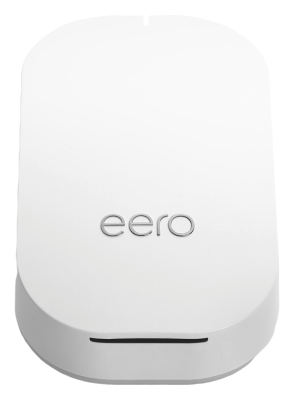
With eero, building a powerful mesh network in your home is a breeze. Not only that, but eero routers also have a simple and compact design with robust capabilities that are all accessible with the eero app. If you want to expand your eero mesh, you have three options ranging from the low-priced but powerful eero, the faster eero Pro, and the compact and sleek eero Beacon. The Beacon is instantly recognizable with its oblong white housing that blends in so well with a standard power outlet that it's barely noticeable.

There's no getting around the fact that it is the slowest of all the eeros with the fewest features, save a nightlight, and compared to the standard eero, it's rather expensive. Still, for adding that extra bar of signal to my streaming devices in my living room without taking up any more space on my shelf, I like it.

Eero Mesh WiFi System (Gen 3) Review: Broad coverage at a lower price Eero Pro review: An excellent mesh router system, but overkill for small spaces

Compact mesh expansion

eero Beacon

Bottom line: The eero Beacon adds up 1,500 square feet of wireless coverage to your eero mesh with no additional wires and a straightforward setup. If the compact size is worth the cost to you over the standard eero, it's a great addition.

The Good

  • Compact design
  • No additional wiring
  • Easy to add with eero app
  • 1,500 square feet of coverage
  • Night light built-in

The Bad

  • No Ethernet ports
  • Requires existing eero mesh
  • Slower than other eeros
  • Expensive

$149 at Amazon

eero Beacon The user experience

The eero Beacon works to extend the coverage area of an existing eero mesh. This can be made up of any of the other eero routers with one connected directly to the internet. The Beacon will work with first, second, and third-generation eeros as well as the eero Pro. The standard eeros all have dual-band Wi-Fi with the newest eeros being capable of utilizing a wider range of 5GHz bands as well as a 2.4GHz band, allowing for a more efficient connection in areas with a lot of wireless traffic.

The eero Pro can make use of a 2.4GHz band as well as a 5.2GHz and 5.8GHz band at all times, making it the most versatile eero capable of the highest speeds. I used an eero Pro with the Beacon for my setup.

It only takes a few steps to get your network up and running in a basic configuration.

Using the eero app, it only takes a few steps to get your network up and running in a basic configuration. From there, I added the Beacon in and had it connected in just a couple more minutes. It's worth mentioning that I had trouble getting devices to connect to the Beacon at first. Still, after triggering a software update for the eeros manually, devices would be assigned and switched from the Pro to the Beacon without a hitch, as you would expect.

The update would have completed automatically overnight and resolved the issue on its own if I hadn't been keeping track of the connection. For the first time setup, I think it would have been better if the eeros had sacrificed a minute of setup time for the extra stability. Still, since checking for updates should always be one of your first troubleshooting steps, it was a quick resolution.

eero uses its TrueMesh software to allow all of the eero routers and extenders on your network to connect to the mesh dynamically. This means that, unlike some whole-home Wi-Fi solutions, your nodes won't all need to talk to the base router. TrueMesh will be able to find out which paths are the most efficient based on speed and signal strength to keep your speeds consistent even as you add more eeros to your network, increasing the complexity. Of course, this all happens automatically, and you only need to think about the app.

The eero app is the star of the show and makes everything extremely easy. The first time I ever set up a home network, I had to connect to the gateway's IP address and click through dozens of confusing screens to do anything. This was standard procedure for any home network, and I'd gotten comfortable with the process, but the eero app makes everything so easy, I don't miss it one bit. You do need to register for an eero account, which is slightly inconvenient but not a big problem.

While you do get more control than most ISP-provided routers, there are some critical things left out that more advanced users may want. For one thing, you won't create separate 2.4GHz and 5GHz networks to connect to as your devices will be automatically assigned to one or the other depending on the connection quality. My Playstation 3 doesn't support 5GHz and is connected to the eero Beacon on 2.4GHz without any issue. You can, however, create a guest network if you have visitors that need to get online.

You can see which eero your device is connected to in the app as well as if it's using 5GHz or 2.4GHz, but you won't be able to force it to one or the other. Still, the software seemed to choose what made sense except for my Nintendo Switch, which stuck to 2.4GHz, making a game download take longer than it needed to. Online play has been faultless, but I would like to be able to set a preference.

You do get to assign IP reservations on a per device basis as well as defining IP ranges if you have a more complicated network setup. For me, everything left on automatic worked fine with no conflicts even with several wired devices connected to the same Ethernet switch as the eero Pro's uplink. You also get access to port forwarding as needed as well as a toggle for IPv6 if you want it.

Finally, eero's last software trick comes with its eero Secure and Secure+ subscription services. The former, at $29.99 per year, comes with security scans and threat blocking, which checks your browsing against a list of known threats and is able to refuse the connection. Many people will have software on their computer that is more than capable of protecting them along with a little internet common sense, but it can be a nice option for kids or less tech-savvy people. There's also content filtering and ad blocking available if you want to restrict specific profiles.

eero Secure+ comes with all of the above, as well as a VPN service, a password manager, and antivirus software. Again all of this can be obtained without eero's help, but having it in one place will be worth it to some. But not me.

eero Beacon Speed, power, and prowess

In my testing, I used the eero Beacon with an eero Pro connected to my cable internet connection through a gigabit Ethernet switch. On a good day, my internet is capable of just over 500Mbps download and over 30Mbps upload, which is well within the eero Pro's comfort zone. However, eero only recommends the Beacon for connections up to 350Mbps.

While connected to the eero Beacon, the fastest download speeds I saw were around 250Mbps, with most of them closer to 200Mbps. And that's fine. Everything on my network that needs a faster connection than that is hardwired, which leaves the Beacon to handle all of my streaming devices such as a Roku soundbar and my Google Home Max speaker. Both of these devices had random connection drops on my previous router, and the Beacon is more than fast enough for anything I want to do with them.

eero states that the Beacon can add up to 1,500 square feet of coverage, but with a mesh like this, it's better not to try to stretch your connection too thin and instead use the Beacon to fill in weaker areas. I love how much more reliable the Wi-Fi is in my living room, and as long as I can keep away from speed tests, I'm happy.

I can't shake the feeling that a standard eero would be a better choice.

The biggest reservation I have in recommending the eero Beacon is that I can't shake the feeling that a standard eero would be a better choice. You can expand with your eero mesh with any eero router after all. While the standard eero takes up more space and requires a surface to sit on to work optimally, its faster Wi-Fi performance and lower price make it feel much better. But the eero Beacon delivers on its promises and has worked reliably with everything I've thrown at it.

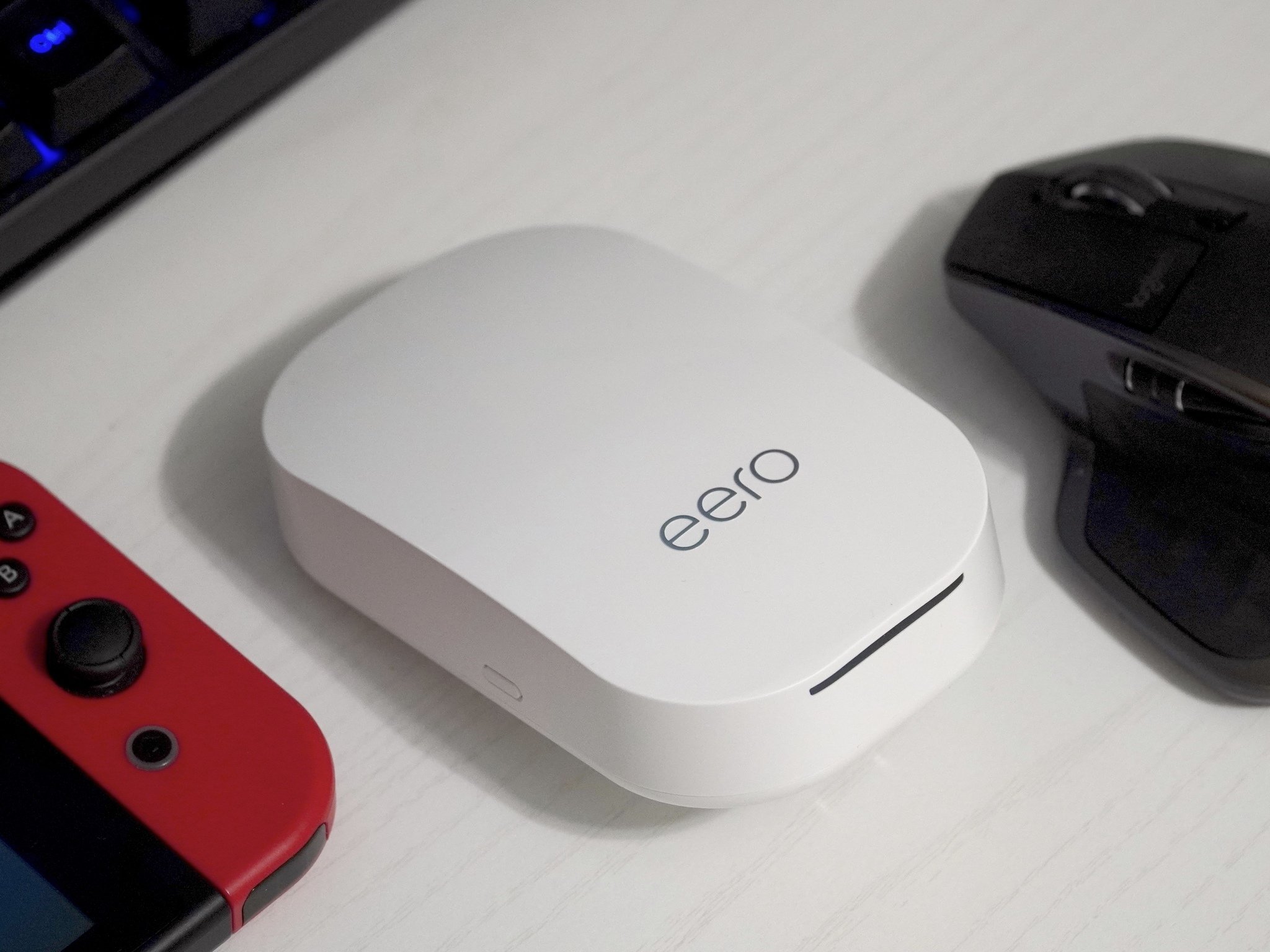
The eero Beacon's biggest strength by far is its fit and finish. It sits right up against the wall, barely more than an inch thick. It shines a wide night light below it if it's dark enough and even leaves room to plug in another device. I would have liked a ground plug to be included for additional support since the outlets in my home are a bit old, and the eero Beacon slants to one side under its own weight. Even so, I think it looks nice and is a far sight better than any Wi-Fi extender I've ever seen.

eero Beacon Should you get it?

I really do like the eero Beacon, but if I were to expand my Wi-Fi coverage again, I would feel a lot better about buying a standard eero, especially considering it's currently $70 cheaper. If you're willing to spend the extra money and don't need any Ethernet ports on your eero extender, the eero Beacon is still a great addition to the network.

3.5 out of 5

If you like the look of the eero Beacon and want something slim and out of the way, it's hard to match the Beacon on any Wi-Fi system. If the Beacon could deliver speeds more on par with the rest of the eero line and had a way to fit more snuggly in my socket, I'd be much more comfortable giving it a full recommendation. Still, for a lot of people, the Beacon is a great choice.

Compact mesh expansion

eero Beacon

$149 at Amazon

Compact mesh expansion

The eero Beacon adds 1,500 square feet to your eero mesh without running any wires in a compact housing with enough speed for most applications.


from Android Central - Android Forums, News, Reviews, Help and Android Wallpapers https://ift.tt/2UAMk21
via IFTTT

Google offers price savings of up to £170 on the Pixel 4 and 4 XL

Google's flagship Pixel 4 is set to drop in pricing in the UK. The company is discounting the flagship handset by £150 when you buy a 64 GB model. If you opt for a larger 128 GB model, you'll be able to save up to £170. These savings apply to both the Pixel 4 and 4 XL.

These deals run from April 1st through to the 14th of April. You can purchase the Pixel 4 from Google's partners in Argos, Carphone Warehouse, John Lewis, and from the Google Store itself (albeit from April 4th).

Earlier this week, Google announced savings on the Pixel 3a, Chromecast and Google Home family. Those deals will run through April 21st, stopping a little bit after the savings on the flagship Pixels end.

Good camera, OK stamina

Pixel 4

From £699 at Google

A decent small Android phone

Despite its battery life shortcomings, the Pixel 4 remains a good Android phone just for the camera alone. Google's quarterly feature drops ensure that Pixel 4 will keep getting better throughout its lifetime.

Bigger and better

Pixel 4 XL

From £829 at Google

Bigger, Better

It's larger than the Pixel 4 but more than justifies it with increased battery capacity. It has the same minimal design as the smaller Pixel and keeps its incredible camera. For £150 off, it's worth considering.


from Android Central - Android Forums, News, Reviews, Help and Android Wallpapers https://ift.tt/2UPDHzD
via IFTTT