LightBlog

mercredi 1 avril 2020

Google offers price savings of up to £170 on the Pixel 4 and 4 XL

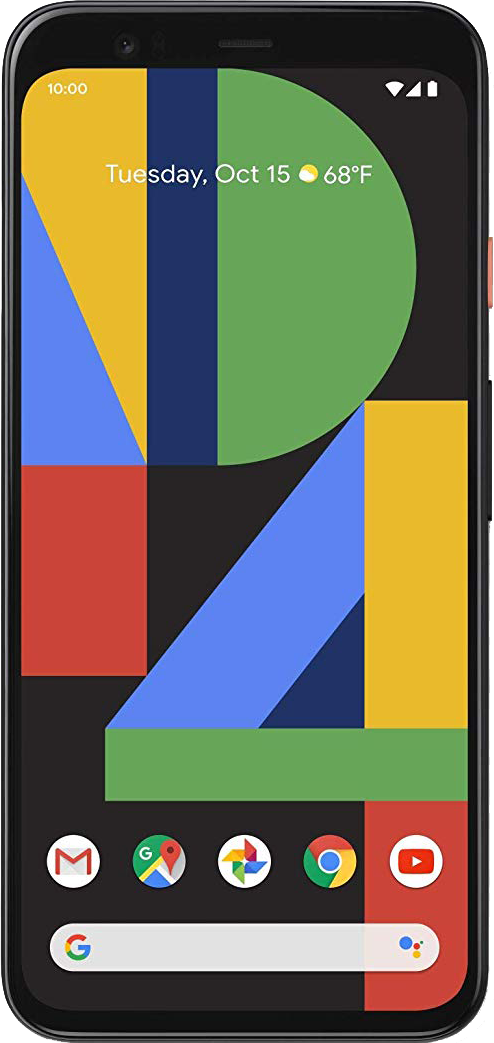
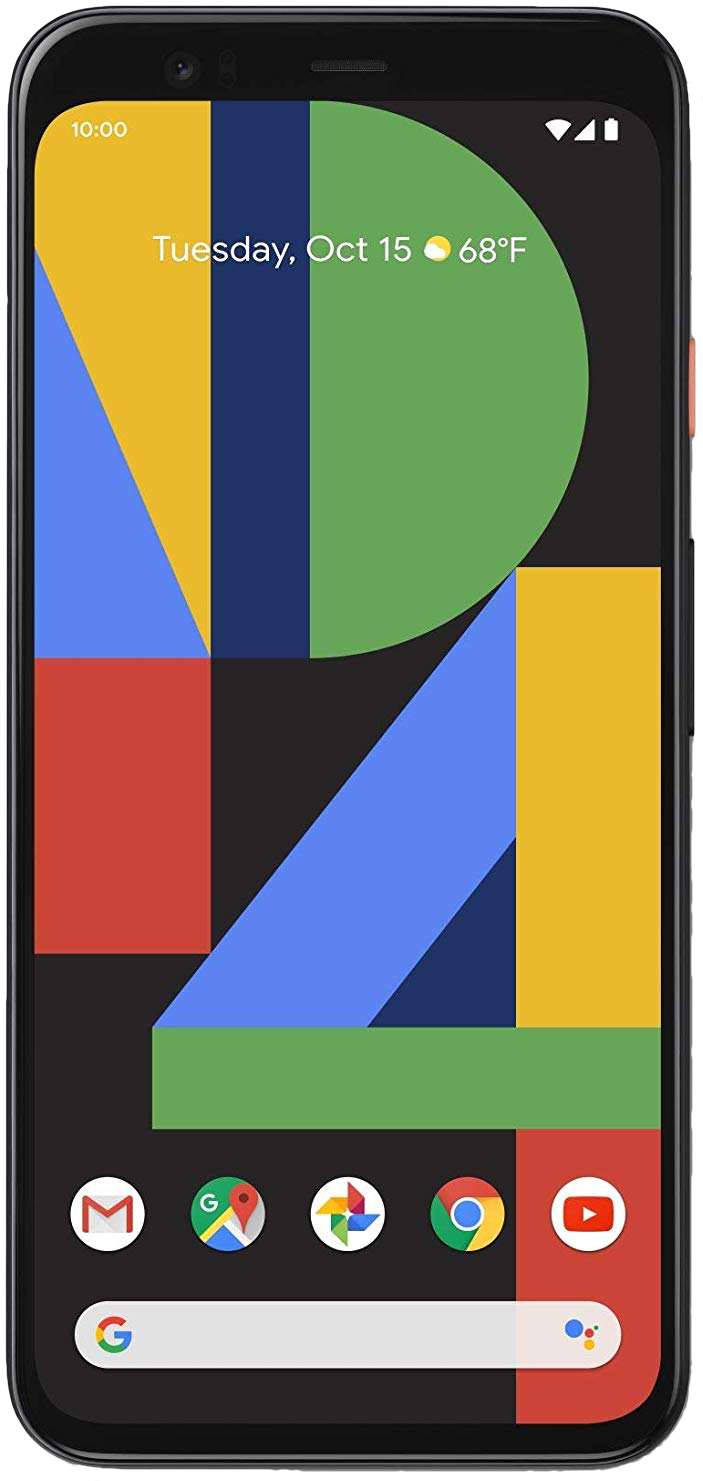
Google's flagship Pixel 4 is set to drop in pricing in the UK. The company is discounting the flagship handset by £150 when you buy a 64 GB model. If you opt for a larger 128 GB model, you'll be able to save up to £170. These savings apply to both the Pixel 4 and 4 XL.

These deals run from April 1st through to the 14th of April. You can purchase the Pixel 4 from Google's partners in Argos, Carphone Warehouse, John Lewis, and from the Google Store itself (albeit from April 4th).

Earlier this week, Google announced savings on the Pixel 3a, Chromecast and Google Home family. Those deals will run through April 21st, stopping a little bit after the savings on the flagship Pixels end.

Good camera, OK stamina

Pixel 4

From £699 at Google

A decent small Android phone

Despite its battery life shortcomings, the Pixel 4 remains a good Android phone just for the camera alone. Google's quarterly feature drops ensure that Pixel 4 will keep getting better throughout its lifetime.

Bigger and better

Pixel 4 XL

From £829 at Google

Bigger, Better

It's larger than the Pixel 4 but more than justifies it with increased battery capacity. It has the same minimal design as the smaller Pixel and keeps its incredible camera. For £150 off, it's worth considering.


from Android Central - Android Forums, News, Reviews, Help and Android Wallpapers https://ift.tt/2UPDHzD
via IFTTT

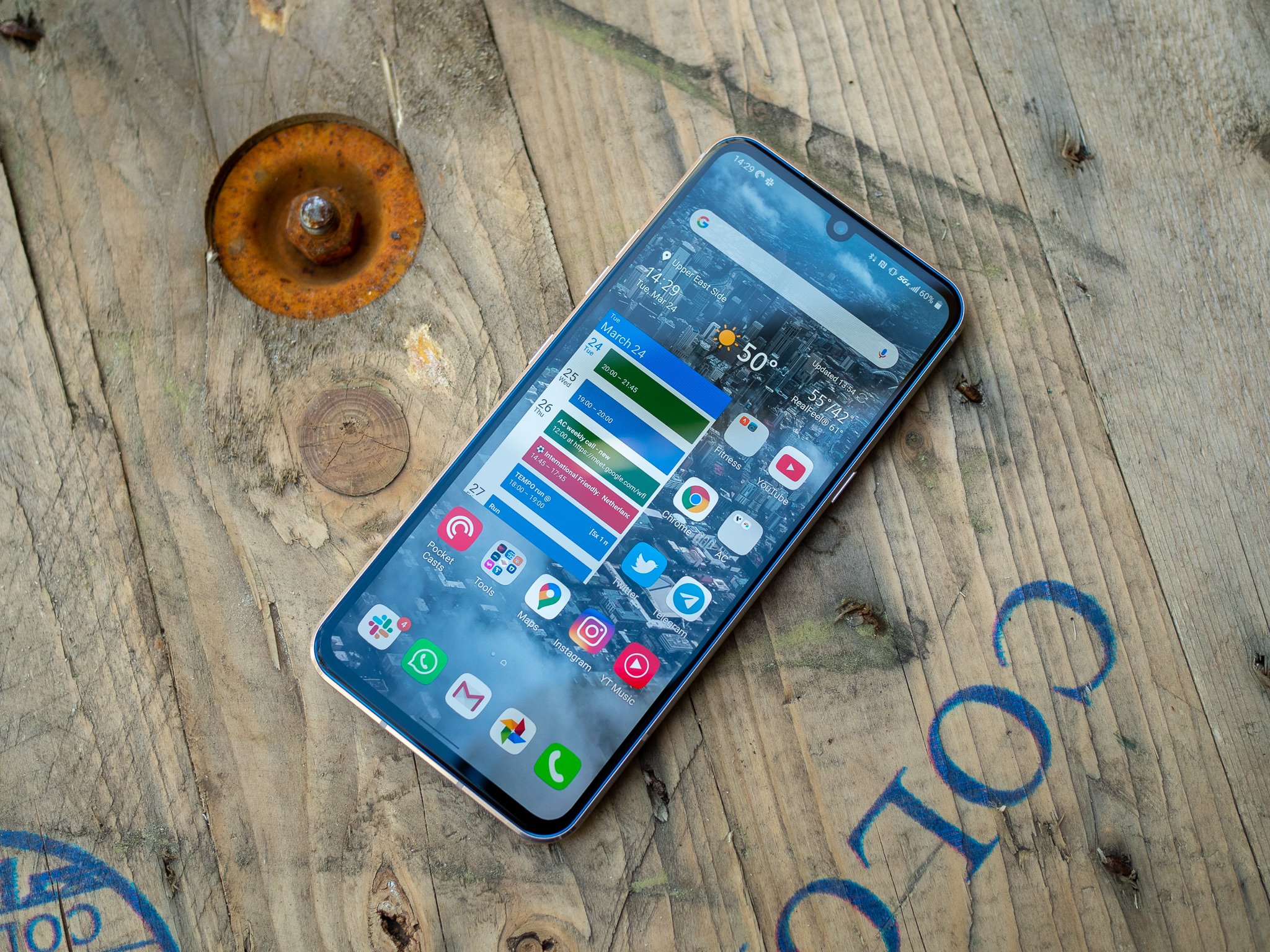
It's time for LG to bring its software up to 2020 standards

LG's hardware is great, but I would take almost any other company's software.

I'm fresh off the heels of publishing my video review of the LG V60, which went live alongside Andrew Martonik's written review, and to be totally honest, the very first thing I did after my video went live was move back into my Galaxy S20+.

This is partially because my V60 is a locked AT&T review unit, and my personal phone number is attached to a Google Fi SIM. But it was also hugely relieving because for as much as I enjoyed the V60 for its nice hardware, I couldn't wait to stop using LG's software, which Andrew and I both complained about in our respective reviews. I'm not even a huge fan of Samsung's One UI per se (I'm that guy that always prefers Google's Pixel UI or OnePlus's OxygenOS), but it feels incredibly modern by comparison.

LG's software isn't a deal-breaker, but it doesn't add any value against other phones.

At first glance, LG's UX 9 looks perfectly fine, with a revamped aesthetic based around Android 10 — we even wrote an article a few months ago touching on its visual similarities to One UI. But under the surface, there's a lot that's either outdated or downright missing from the software.

I mentioned in my video review that there's no way to swipe down on the screen to access your notification shade with the default launcher, something that seemingly every other variant of Android has gotten down by now. That's a hugely important feature, especially on such a physically large phone, and one can only imagine that LG (who was one of the first to implement swiping down on the fingerprint sensor around back for the same action) just forgot to move the action to software since switching to an in-display fingerprint sensor.

There are also hilarious holdovers from long-discontinued hardware trends, like how the software still reminds you not to remove the battery if the software freezes ... something you haven't been able to do since the LG G5. Or the fact that the app drawer still doesn't remember your sort settings; if you sort alphabetically, then add or remove an app, you'll need to hit the menu overflow button in your app drawer and sort all over again. How is this still a thing?

Of course, you can fix a lot of this by just installing a third-party launcher — but that, in turn, disables gesture navigation and kicks you back to the old three-button layout.

You still shouldn't count the V60 out, considering how great its hardware and battery life are.

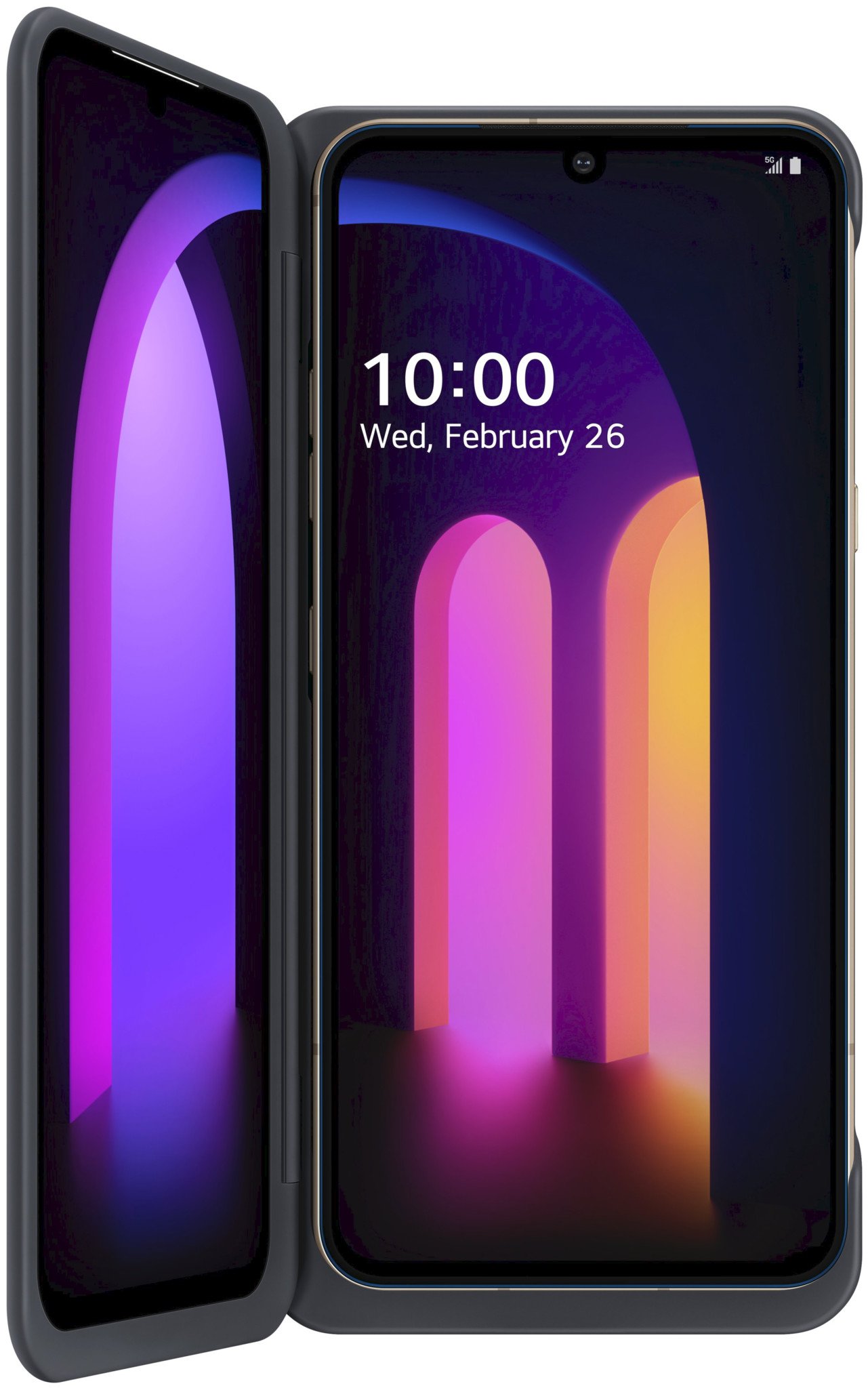
There's also the frustrating software management of LG's own creation, the Dual Screen secondary display attachment offered with the V60. While it works well in doubling your screen real estate, running one app on both screens is an exercise in frustration; before entering full screen(s) mode, you need to first jump into the system settings and enable each app for Dual Screen individually, then the system still prompts you to manually activate full-screen mode within the floating menu button before it distributes the UI elements accordingly.

To LG's credit, it does some things on the software side that aren't just good, but better than the alternatives from others like Samsung. I love being able to double-tap the screen not just to wake the V60, but to put it back to sleep as well. It also isn't loaded with too many redundant services like One UI (though bloatware is a different story on this AT&T unit), and the lack of Bixby is certainly a relief.

LG's software isn't a deal-breaker, and the V60 is still a perfectly good phone with excellent features like 5G support, 8K video recording, high-res wired audio, and outrageously good battery life — all for under $1000. But it's hard to call any part of its software experience a positive trait of the phone, and I'd put just about any other manufacturer's software on the phone if I could.

Still, the phone's a great value for all of the high-end features it offers, and as I said in my review, it doesn't have to beat Samsung's S20 series (or any other flagship, for that matter) in sheer feature sets when it manages to offer such a complete experience for hundreds of dollars less.

Dual Screen flagship

LG V60 ThinQ 5G

$800 at T-Mobile $900 at AT&T

A great phone held back by subpar software

LG's software may not offer the best experience around, but the V60 is still a fantastic value given all that its hardware offers. You get two capable cameras that can shoot 8K video, 5G network support, and some of the best battery life we've seen on a phone in recent years.


from Android Central - Android Forums, News, Reviews, Help and Android Wallpapers https://ift.tt/3bK1Yh4
via IFTTT

Get ready to pay much more to buy phones in India

The Indian government decided to hike the Goods and Services tax on mobile phones to 18% from 12% last month.

What you need to know

  • Many popular brands have increased prices of their smartphones in India due to the hike in Goods and Services Tax on smartphones from 12% to 18% by the Indian government.
  • Vivo is raising prices by up to ₹2,000 ($26), while Samsung has hiked prices by up to ₹6,000 ($79).
  • The government's move is expected to lead to immediate job losses and could put a damper on future investments in manufacturing in the country.

Several popular brands today announced that they are increasing the prices of their smartphones in India. The companies were forced to hike prices after the Indian government increased the Goods and Services Tax on mobile phones from 12% to 18%.

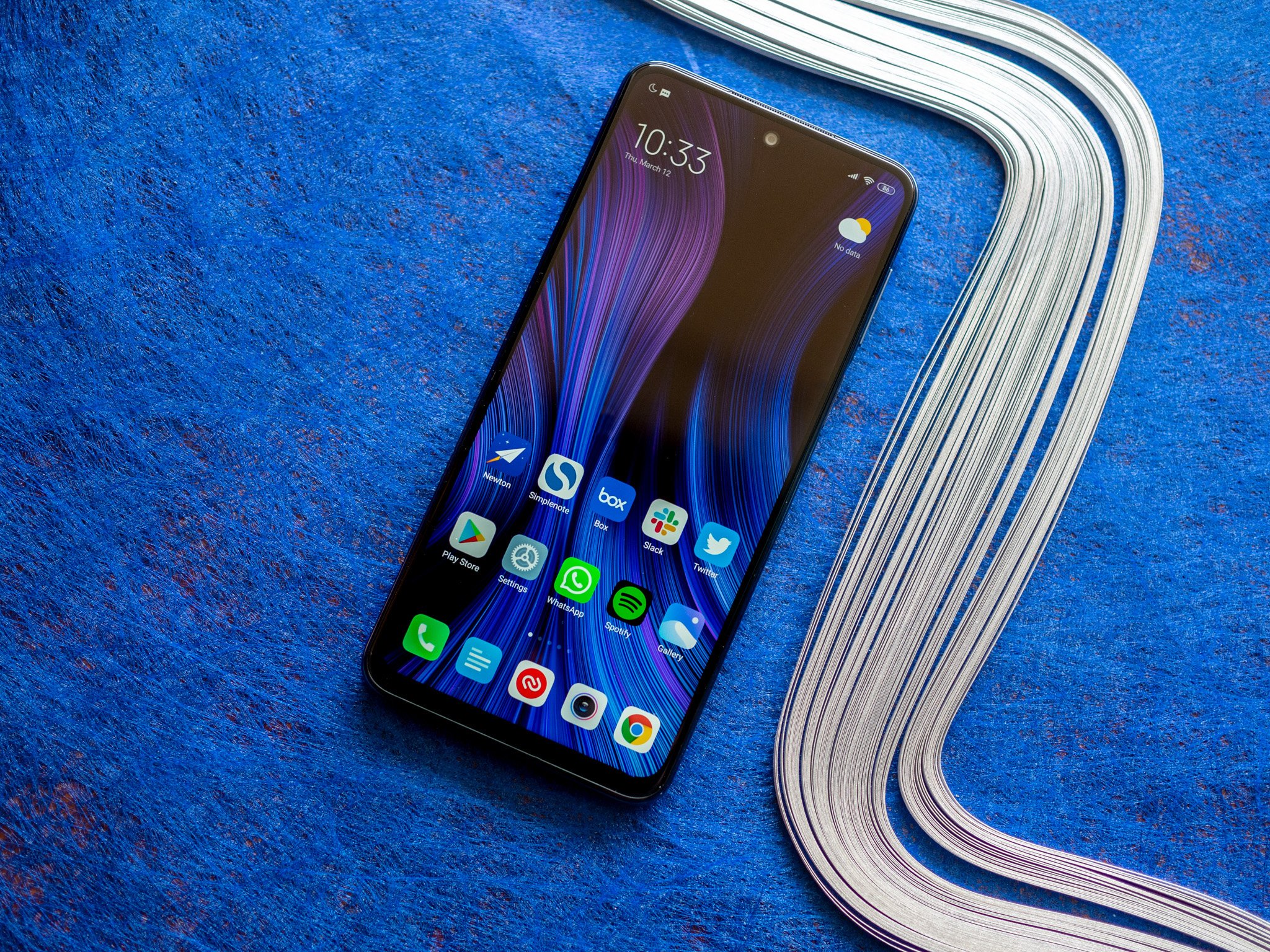
Xiaomi, which is currently India's No.1 smartphone vendor in terms of market share, said in a statement that it had "no option than to increase prices" due to the hike in GST rates and the significant depreciation of the Indian Rupee against the U.S. Dollar. Redmi has raised the price of the K20 by ₹2,000 ($26), while prices of the POCO X2 have gone up by ₹1,000 ($13).

Just like Xiaomi and its sub-brands, other Chinese smartphone makers like OPPO, Vivo, and Realme have also decided to hike prices of their phones in the country. While Samsung hasn't issued any official statement yet, reports claim the company has told its retail partners that it is increasing prices of its phones by up to ₹6,000 ($79). The Galaxy S20 Ultra, which was launched at ₹92,900 ($1,220) in the country last month, now starts at ₹97,900 ($1,285).

Smartphone makers believe that the GST hike on phones is a "counter-intuitive and insensitive" move that is likely to result in immediate job losses and could discourage future manufacturing investments in India.

OnePlus dominated India's premium smartphone market in 2019


from Android Central - Android Forums, News, Reviews, Help and Android Wallpapers https://ift.tt/2xDhlt5
via IFTTT

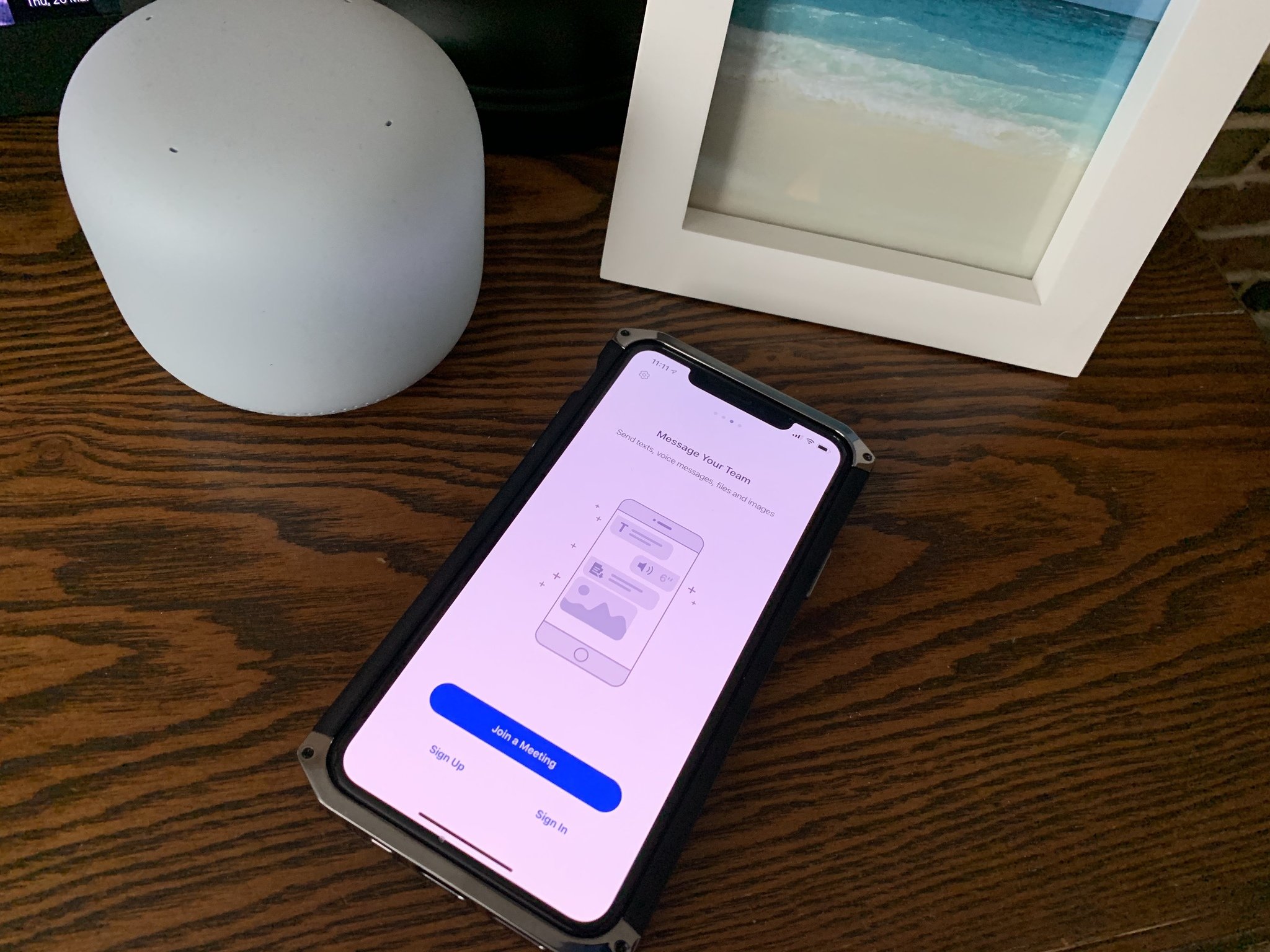
Zoom's 'Company Directory' feature exposes personal data of thousands

Zoom's privacy and security is not really inspiring much confidence, is it?

What you need to know

  • Zoom has a 'Company Directory' feature which pools users of the same domain name, making it easier to find colleagues if you work in the same company.
  • However, countless users are saying that their personal email addresses have been pooled with thousands of random people.
  • Personal data including full names, mail addresses, profile picture and statuses were all shared with strangers.

The dumpster fire that is Zoom's security and privacy practices continues to rage after it emerged that Zoom's 'Company Directory' feature pooled thousands of strangers together, exposing personal data.

According to a report from Motherboard

Popular video-conferencing Zoom is leaking personal information of at least thousands of users, including their email address and photo, and giving strangers the ability to attempt to start a video call with them through Zoom.

The issue lies in Zoom's "Company Directory" setting, which automatically adds other people to a user's lists of contacts if they signed up with an email address that shares the same domain. This can make it easier to find a specific colleague to call when the domain belongs to an individual company. But multiple Zoom users say they signed up with personal email addresses, and Zoom pooled them together with thousands of other people as if they all worked for the same company, exposing their personal information to one another.

The report cites users who created Zoom accounts and were met with the information of some 995 other people they had never met or heard of, including their names, images and mail addresses.

The above screenshot provided to the initial report shows an instance of the 'Company Directory' feature, and how it pooled together hundreds of random users. The report notes that on Zoom's website, it explains the directory feature as follows:

"By default, your Zoom contacts directory contains internal users in the same organization, who are either on the same account or who's email address uses the same domain as yours (except for publicly used domains including gmail.com, yahoo.com, hotmail.com, etc) in the Company Directory section."

However, as Vice has noted, Zoom seems to have forgotten about a few personal domains, notably several Dutch ISPs and their domains, xs4all.nl, dds.nl, and quicknet.nl. On Twitter, the found other instances of Dutch users reporting the issue.

The revelation is another extremely unnerving blunder in Zoom's privacy and security practices, that have been exposed recently since the app's surge in popularity, driven by global social distancing measures.

In the last week alone it has emerged that Zoom's calls are not end-to-end encrypted despite several claims that they are, that Zoom was previously sending user data to Facebook even if they didn't have Facebook accounts, a flaw it has rectified and that Zoom uses a "very shady" pre-installation protocol for macOS, the same kind used by macOS malware to bypass macOS security.

It's important to note that as mentioned, this does not affect users with common email addresses such as Gmail, Yahoo or Hotmail accounts, however, Zoom appears to have missed enough personal email domains such that thousands of users have had their personal data shared with strangers.


from Android Central - Android Forums, News, Reviews, Help and Android Wallpapers https://ift.tt/39D24pj
via IFTTT

FCC orders all carriers to implement anti-robocall technology by June 2021

A few major carriers have already started using STIR/SHAKEN to authenticate calls.

What you need to know

  • The U.S. FCC has instructed all carriers and phone companies to implement the STIR/SHAKEN protocol by June next year to combat the robocall menace.
  • STIR/SHAKEN will help lessen the effectiveness of illegal spoofing and enable carriers to identify illegally spoofed caller ID info even before the calls reach subscribers.
  • American consumers reportedly lose $10 billion annually to fraudulent robocall schemes.

The Federal Communications Commission (FCC) today adopted new rules that require the industry-wide implementation of the STIR/SHAKEN protocol to combat spoofed robocalls. All carriers and phone companies in the U.S. must enable called ID authentication on their networks using STIR/SHAKEN by June 30, 2021.

The new regulatory requirement is aimed at significantly lowering the effectiveness of illegal spoofing, allowing law enforcement agencies to identify scammers more efficiently, and helping carriers identify spoofed robocalls before those calls reach subscribers.

As per the FCC, eliminating the wasted time caused by illegal robocalls could save more than $3 billion annually. It also says that American consumers lose approximately $10 billion annually to fraudulent robocall schemes.

Even though the FCC had asked carriers to adopt the STIR/SHAKEN protocol in 2018, only a few carriers have rolled out the technology so far. Moreover, authentication is available only on select phones and the systems currently in place aren't integrated to work across networks.

The Congress had passed the TRACED Act in December last year, which mandated the protocol to identify illegal robocalls and gave the government new powers to find and prosecute robocallers.

How to enable Caller ID and spam protection on the Galaxy S20


from Android Central - Android Forums, News, Reviews, Help and Android Wallpapers https://ift.tt/2JvW1Za
via IFTTT

You can now post your Snapchat Stories to other apps

Tinder and Houseparty integrations are currently under progress.

What you need to know

  • Snapchat is introducing a new feature called "App Stories."
  • It allows you to post your Snapchat Stories to other apps.
  • Currently, only four apps are supported, with Tinder and Houseparty also being considered.

As others app copy one of its marquee features, Snapchat is trying to reassert its status as the originator of Stories by offering a more consolidated experience across different apps. To that end, it's introducing "App Stories," a new feature that lets other apps hook into your Snapchat Stories and display them in their own UI (via MobileSyrup).

Of course, apps following in the footsteps of Facebook and Instagram, which seek to replace and not coexist alongside Snapchat, will likely never accept the proposition and opt to create their implementations of the feature, just like Facebook did. However, there are still a number of apps that either don't have the resources or the interest in developing such a feature, and that could potentially open up a huge market for Snapchat to claw back its relevance in the social media sphere.

Four such platforms — Triller, Squad, Hilly, and Octi — are already rolling out "App Stories" in their app, and each has its own take on the feature. Triller, a music app, functions pretty much like Snapchat Stories, and let you follow stories from music artists and friends. Octi's implementation is similar, except that it's an AR app.

Squad, a video chat app, however, has an interesting take, whereby it lets groups of friends watch a story together, like Rave, but for Stories.

Hilly, meanwhile, is a dating app, and you can use Stories to spice up your dating profile. It's also an excellent example of how Snapchat could build out the feature with more partners in the future. Hilly already has a Stories feature of its own, and Snapchat Stories simply sit alongside them, without actually replacing them.

Tinder and Houseparty are two other apps that Snapchat teased were going to be included with this feature, though neither app currently supports 'App Stories.' Whether this means the rollout is simply being delayed or if the two companies have changed their mind about working with Snapchat isn't clear at the moment.

Put your face in GIFs with Snapchat's new Cameos feature


from Android Central - Android Forums, News, Reviews, Help and Android Wallpapers https://ift.tt/2R4vVRo
via IFTTT

Samsung Good Lock 2020: The ultimate guide to customizing your Galaxy phone

Good Lock is a powerful utility that lets you turbocharge your Galaxy phone.
Samsung's Good Lock is a software suite that lets you unlock the full customization potential of your Galaxy phone. Basically, Good Lock contains a series of modules designed to tweak every facet of the user interface, including the lock screen, notification panel, recents menu, and so much more. Need a vertical volume slider? You'll be able to set it up using Good Lock.

Samsung overhauled Good Lock for 2020, rolling out a set of new modules that offer even more customization options. You just won't find this level of customization with a third-party launcher, and it's great to see Samsung giving users the ability to tinker with the UI on their Galaxy phones. Good Lock 2020 has 13 modules on the Galaxy S20, so let's get started and see why it is such a big deal.

LockStar brings robust customization options to the lock screen
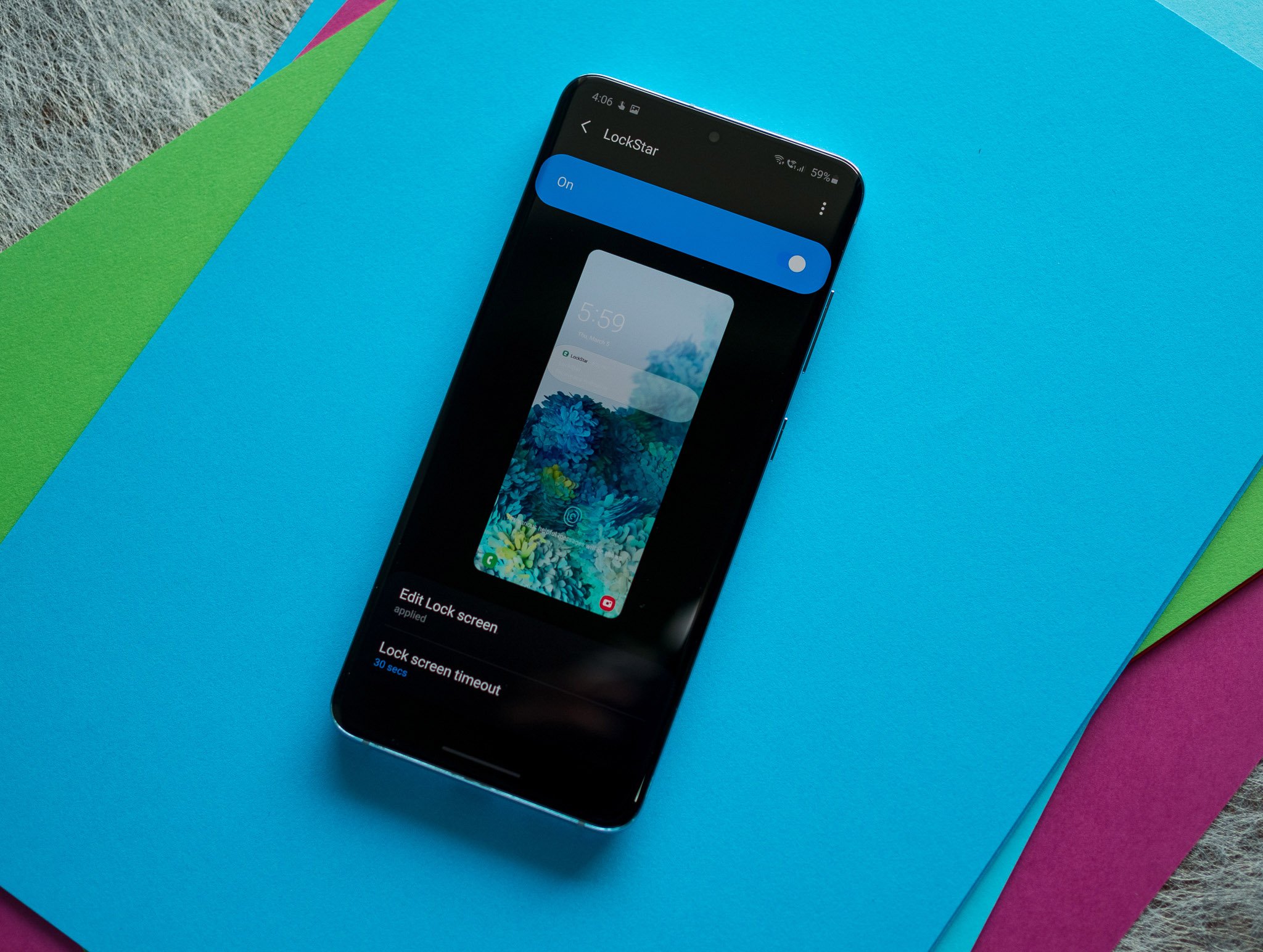
LockStar is a new module that lets you configure the lock screen to your preferences. You can move any lock screen element wherever you want, change the lock screen background, and select how notifications show up. There are four tabs: Position, Wallpaper, Clock, and Items. LockStar needs access to your contacts and the phone's storage to work.

The Position tab lets you move the lock screen elements around. That includes the clock and any other FaceWidgets you may have installed on the lock screen, notification ribbon, and the help text. There is a restricted area at the top of the screen for the status bar, and other than that particular zone, you have the freedom to move the objects around anywhere you want.

With LockStar, you can change just about every element of the lock screen.

You can change the lock screen's background by heading into the Wallpaper tab. Of course, you can always do that from the phone's settings, but with LockStar you get the option to configure all elements of the lock screen from a single location. In the same vein, the Clock tab lets you pick from all available clock faces, and resize the clock itself.

Finally, the Items tab lets you select the elements that you want on the lock screen. If you want a minimal lock screen without a lot of clutter, you can disable the help text and shortcuts entirely, or even do away with notifications and FaceWidgets. For notifications, you have the option of choosing between showing icons only or full details, which will show the full notification directly on the lock screen.

LockStar also lets you change the screen timeout of the lock screen. Overall, the level of customization on offer here makes LockStar one of the best modules within Good Lock, and if you're interested in tweaking the lock screen on your Galaxy phone, you will love what the feature has to offer.

SoundAssistant finally brings a vertical volume slider to your Galaxy phone
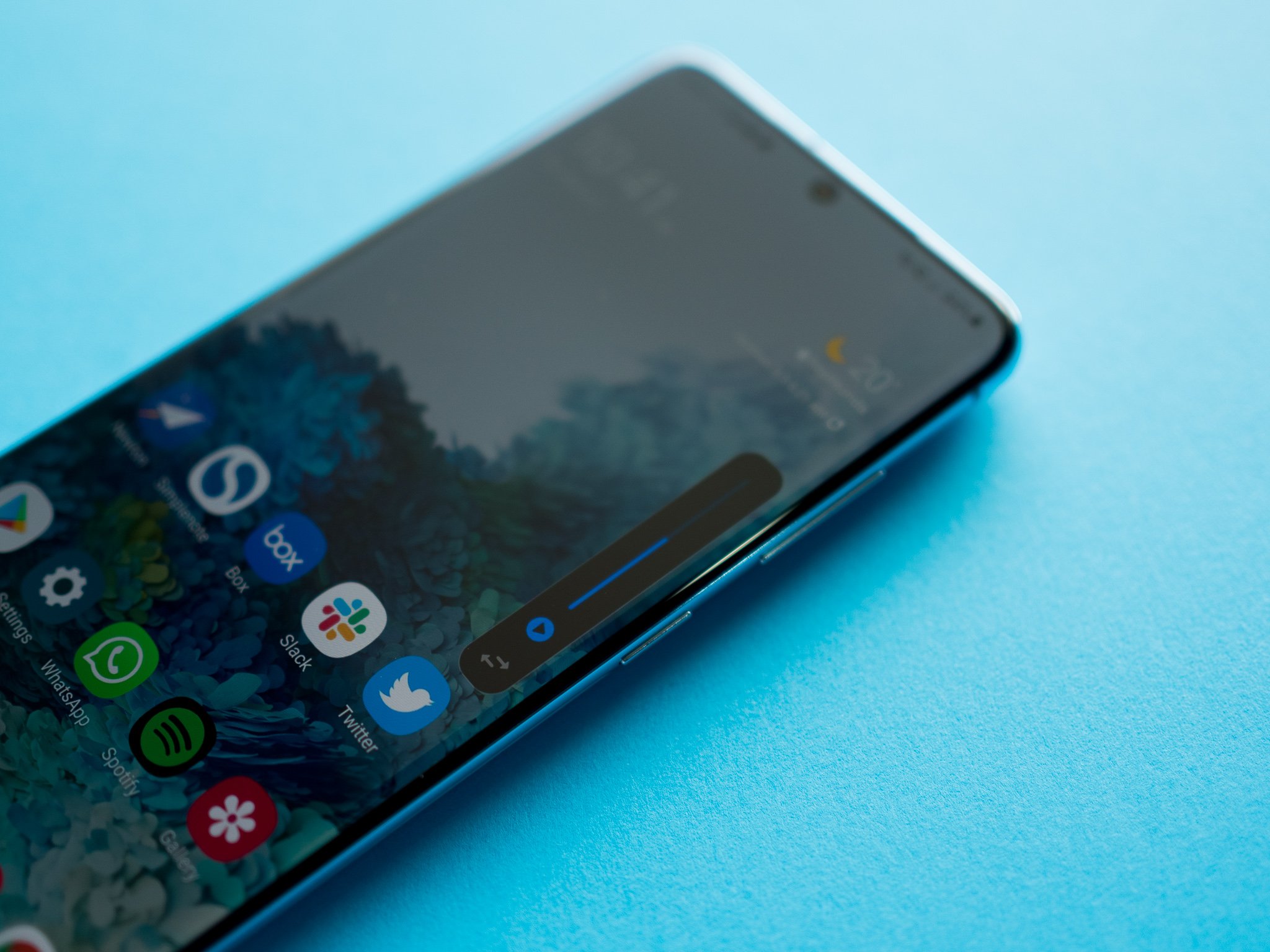
Google introduced vertical volume controls in Android 9.0 Pie, but Samsung didn't make the switch. With SoundAssistant, however, you can finally enable a vertical volume slider on your Galaxy phone. You'll need to toggle the Volume panel theme in the SoundAssistant settings, and doing so will switch to a vertical slider.

The best part is that you can change the layout of the slider so that it shows up on the right or left side of the screen, and even adjust its position on the screen. There's the option to choose from six color options for the slider as well. SoundAssistant also lets you control individual app volumes, and you can select all the media apps you've installed on your phone and set a custom volume for each. You can even set the volume increments for whenever you press the volume key.

SoundAssistant gives you a laundry list of customization options, and is a must-have if you play a lot of audio on your phone.

SoundAssistant has much more to offer. One of its standout features is the ability to control music playback with the volume keys. You'll find the feature in the advanced settings, and when enabled, you can go to the next or previous track by pressing and holding the volume up or down keys.

Separate app sound is a useful feature for when you want to play media from one app on a different device, like a Bluetooth speaker. With the feature, only media from that particular app will be played on your target device, and all other system sounds and alerts will continue to chime on your phone. You can select the app and the target audio device once you enable the feature. There's also Multi audio, which lets you play sounds from two apps at the same time. SoundAssistant also has an equalizer that lets you tweak the sound profile of connected audio devices, and enable virtual Dolby effects. You can even set a floating button for SoundAssistant that launches the service every time you press the volume key.

Another nifty feature in SoundAssistant is the ability to set custom sound profiles based on the time of day. For instance, you can set things up so that media and ringtones are muted during work hours, automatically enabled later in the evening, and muted again at night. You can configure the time and select what days of the week you want the custom profiles to kick in, and tailor the action that you want to set for each mode.

Finally, you'll find a host of useful features in the advanced settings. Mono audio lets you switch to a single channel (for when you're using a single earbud to listen to music), and you can also reverse the left and right channels. You can also set a favorite media app and control music on that app when your press multimedia keys on Bluetooth earbuds or speakers, and there's also the option to play and record sound via your phone's mic when a selfie stick is plugged in.

Task Changer allows you to switch to a card-based overview menu
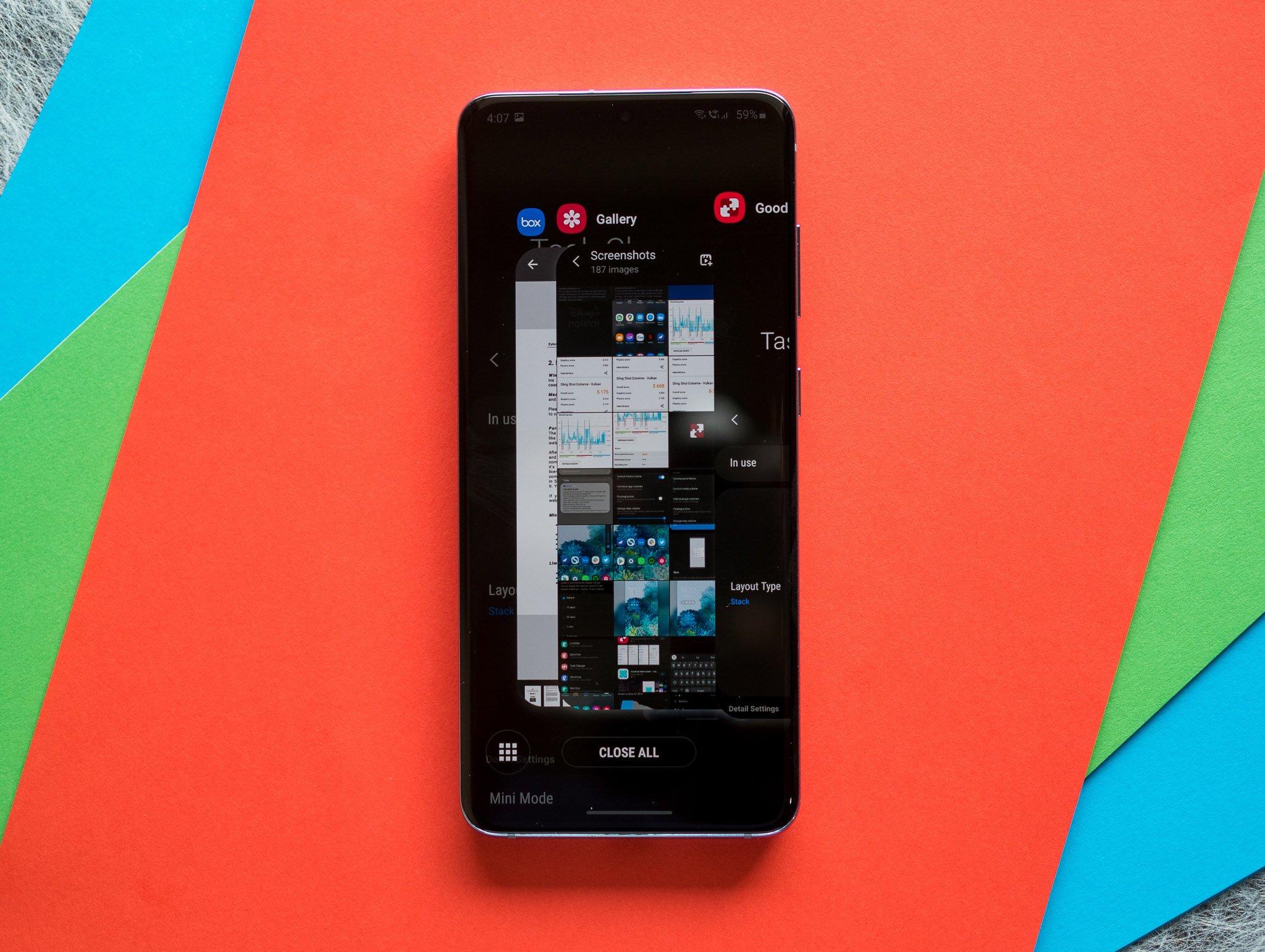
Task Changer is a powerful utility that changes the look of the recents menu screen. If you miss the older card-style layout or prefer the iOS task switcher, you can use Task Changer to switch things up. There are six styles to choose from — Stack is the default, then there's a List mode, Grid, Carousel, Slim List, and Vertical Stack, which mimics the card layout from previous versions of Android.

There's also the option to choose a blur effect for the background and the ability to switch to previous apps when using nav gestures. If you're not a fan of the current overview menu and would like to switch back to a card layout, Task Changer is ideal for your needs.

QuickStar brings colorful effects to the notification shade
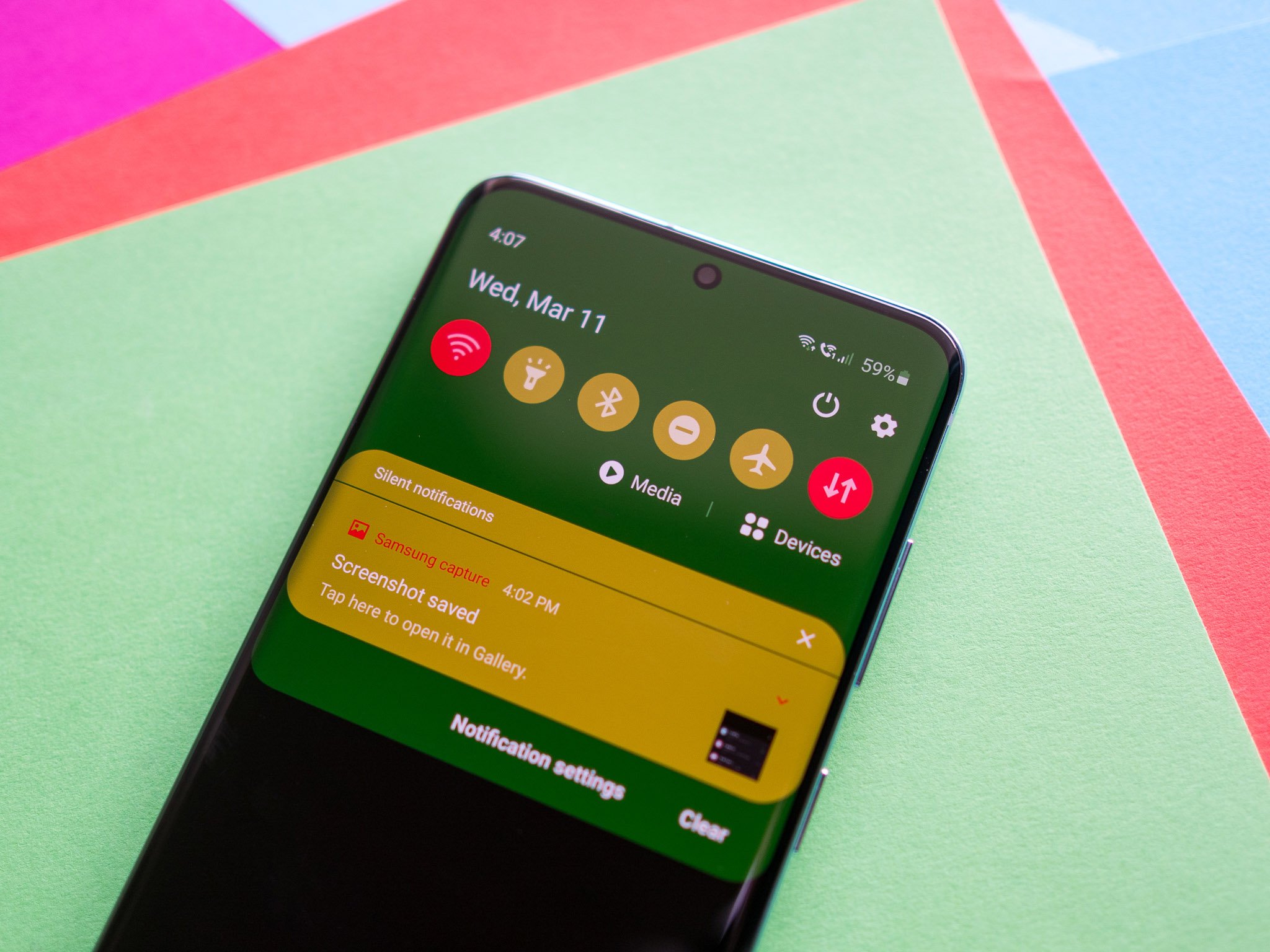
Bored of the white and blue layout of the notification shade? QuickStar lets you change the look of the panel, with eight preset colors to choose from. You can choose a custom color scheme, giving you much more flexibility in changing the visual look of the notification panel.

There's also the option to choose what status bar icons show up, so if you're not fond of the 4G or VoLTE icons that show up, you can disable them here. A nifty setting is the ability to switch the clock to the left side of the status bar. If you want to change the look of the notification panel, there's plenty to like in QuickStar.

Theme Park is the theming engine you've been waiting for
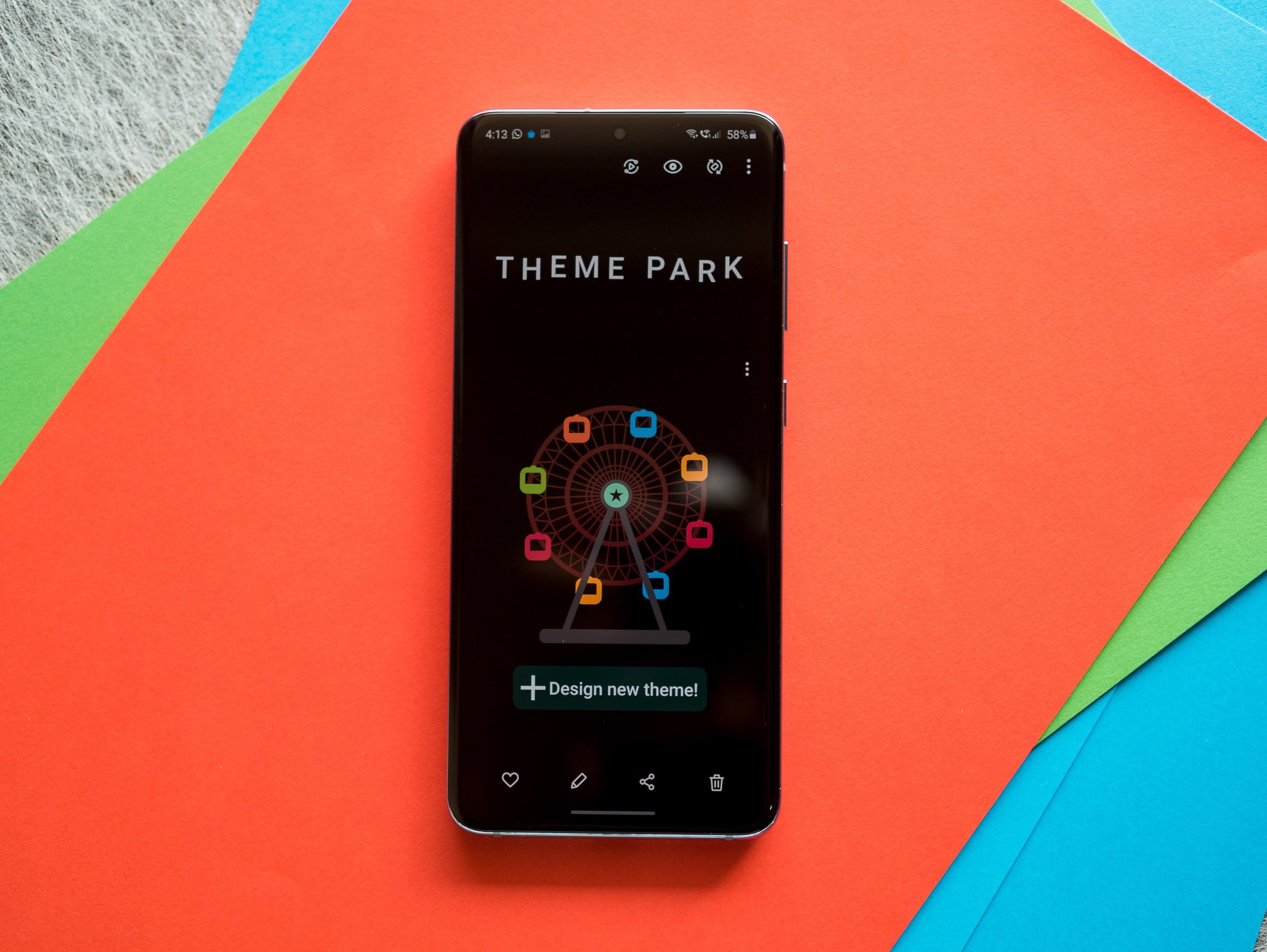
As the name suggests, Theme Park lets you create a new theme. You start by choosing an image that serves as the background and pick a default color for the interface elements, an accent color, and icon colors and labels. It basically makes it easy to create a new theme based on a background, and the granular control makes it that much more fun to tailor the UI to your tastes.

Add new clock faces to the lock screen with Clockface
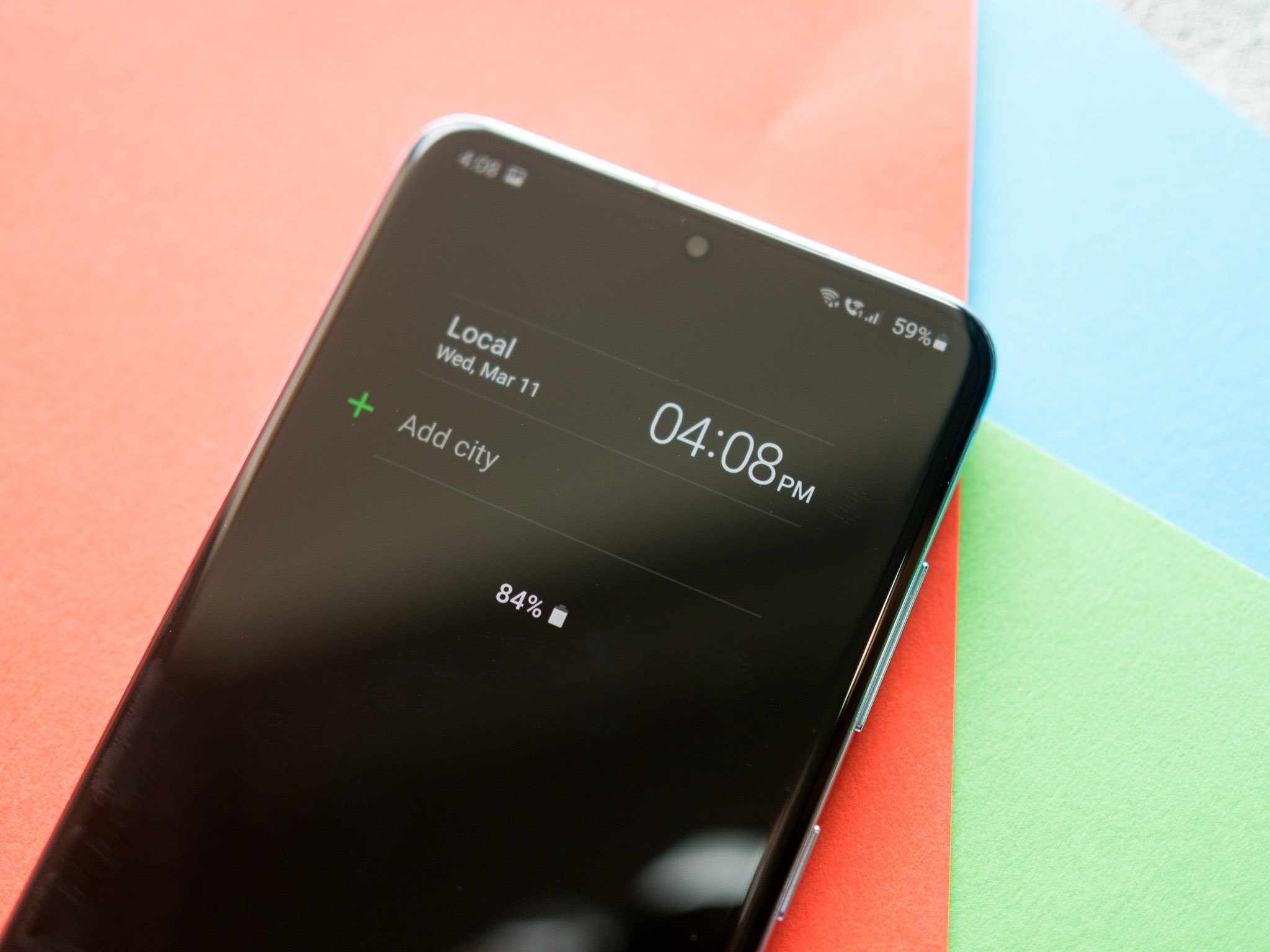
With Clockface, you get to choose from a decent selection of clock faces to add to Always On Display if your phone is running an AMOLED screen. If not, you get to pick clock faces for the lock screen. You get 12 options, and as with everything else to do with Good Lock, you can customize the look of the clock faces.

Turbocharge multi-window mode with MultiStar
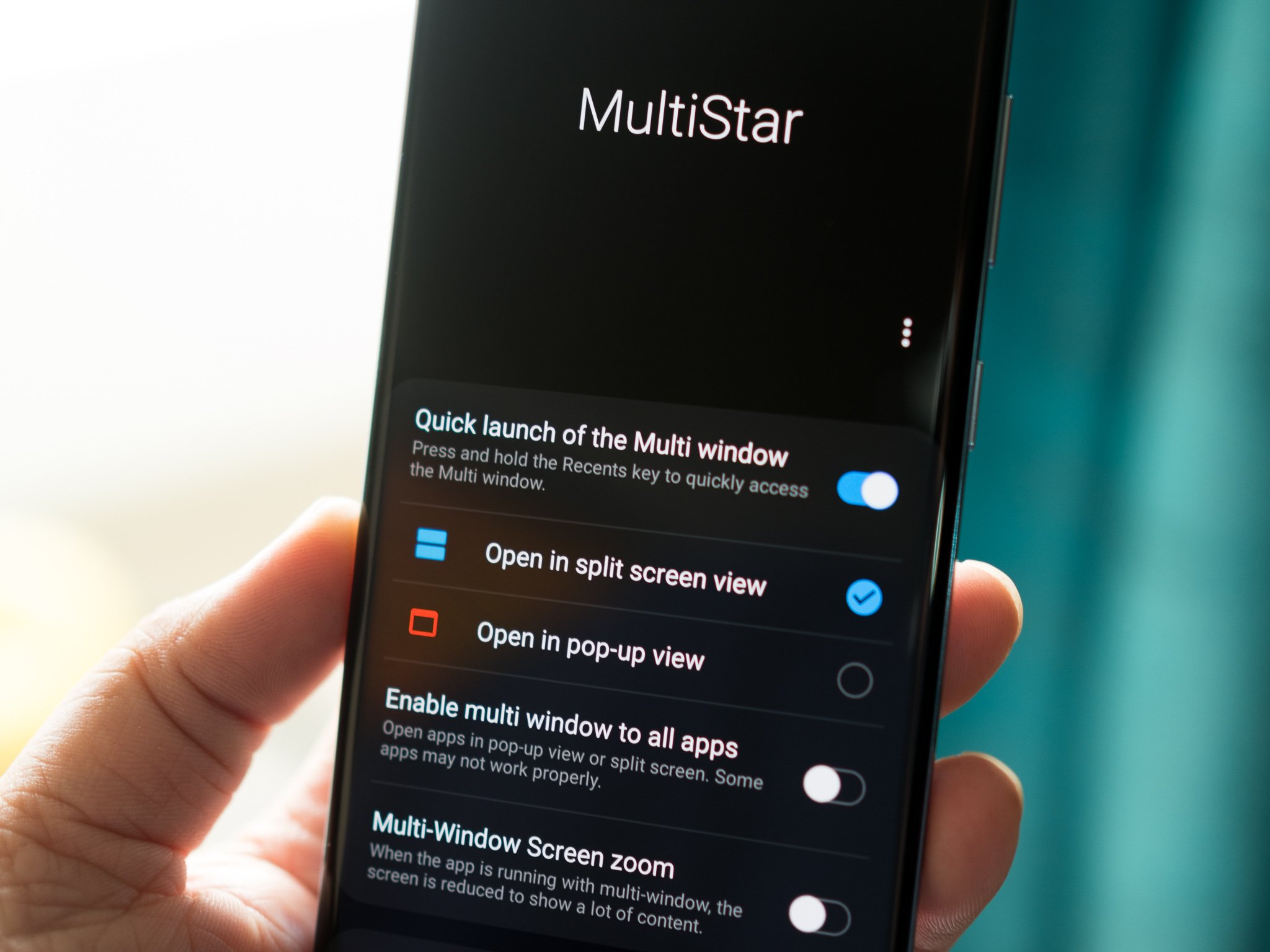
Wanted to use multi-window mode with an app but weren't able to do so? MultiStar fixes that. It lets you enable multi-window on all apps, and lets you quickly launch multi-window mode by setting up shortcuts. You get fine-tuned control of how apps behave in split view, and if you use multi-window mode a lot, you'll love the customization on offer here.

NavStar lets you change up the look of the legacy nav buttons
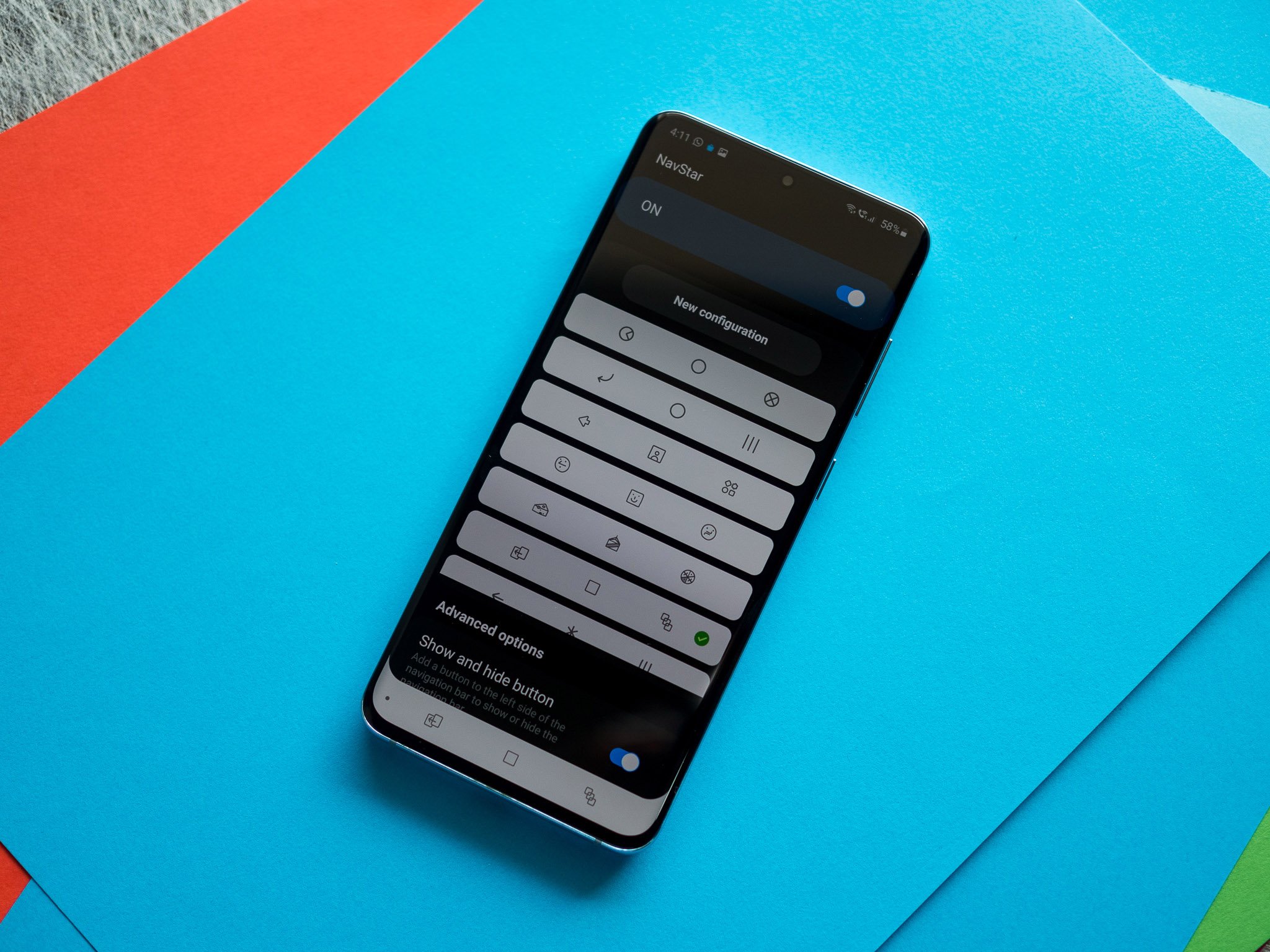
NavStar works if you set the system mode to the legacy navigation keys at the bottom of the screen instead of navigation gestures. The module essentially lets you change the look of the nav buttons, with eight different styles to choose from.

There are a few quirky options on the list, including a food-themed nav key layout that includes a cheese wedge for the back button, cake for the home button, and pizza for the recents menu. If you haven't made the switch to navigation gestures yet and want to change the look of the nav keys, NavStar is the feature for you.

Never miss a notification with NotiStar
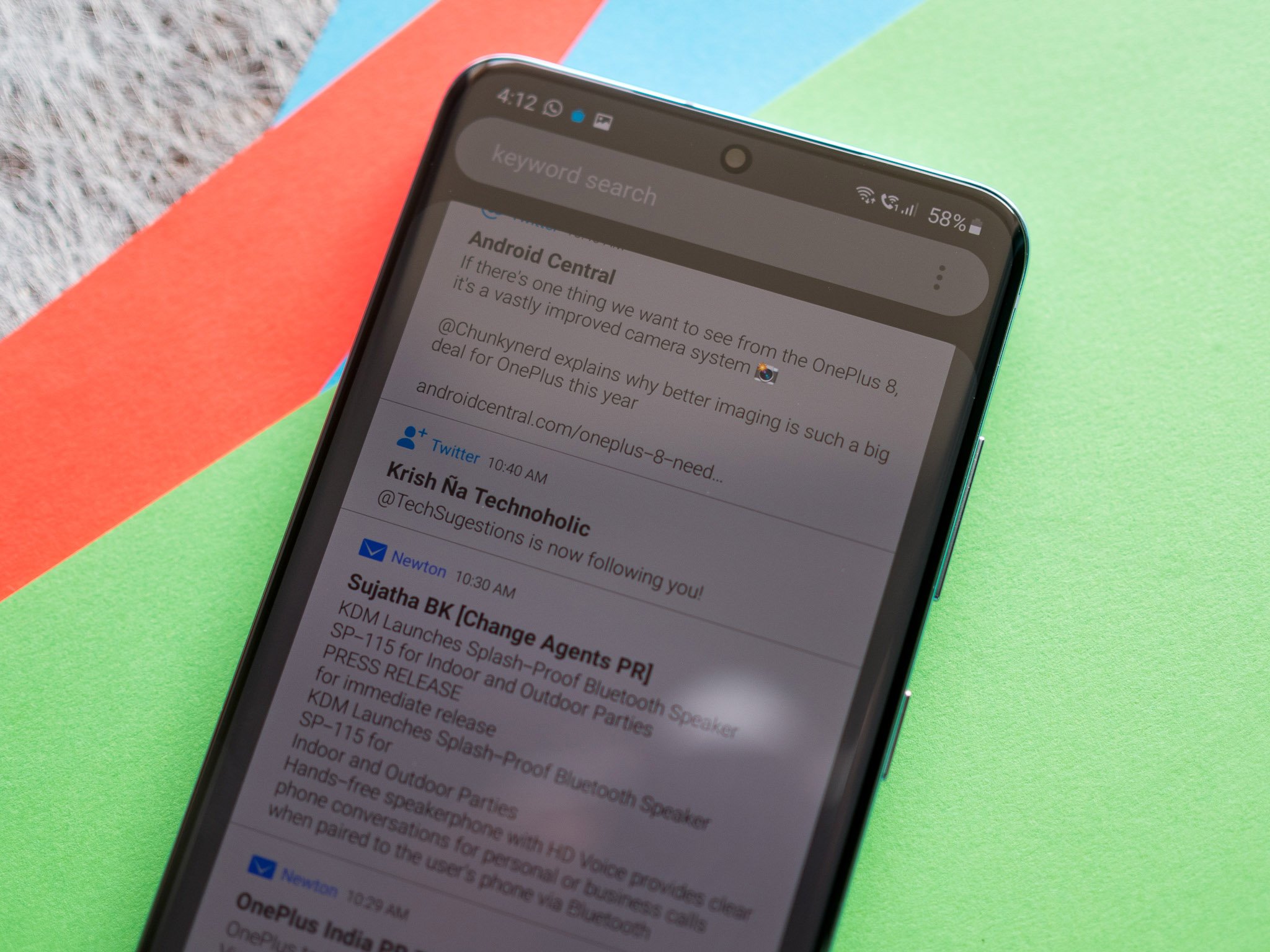
If you missed a notification or swiped it by mistake, you can just go to NotiStar and see all the notifications your device received over the course of the day. It's fun to go in there to see just how many notifications you get over 24 hours.

Get rid of accidental touches with EdgeTouch
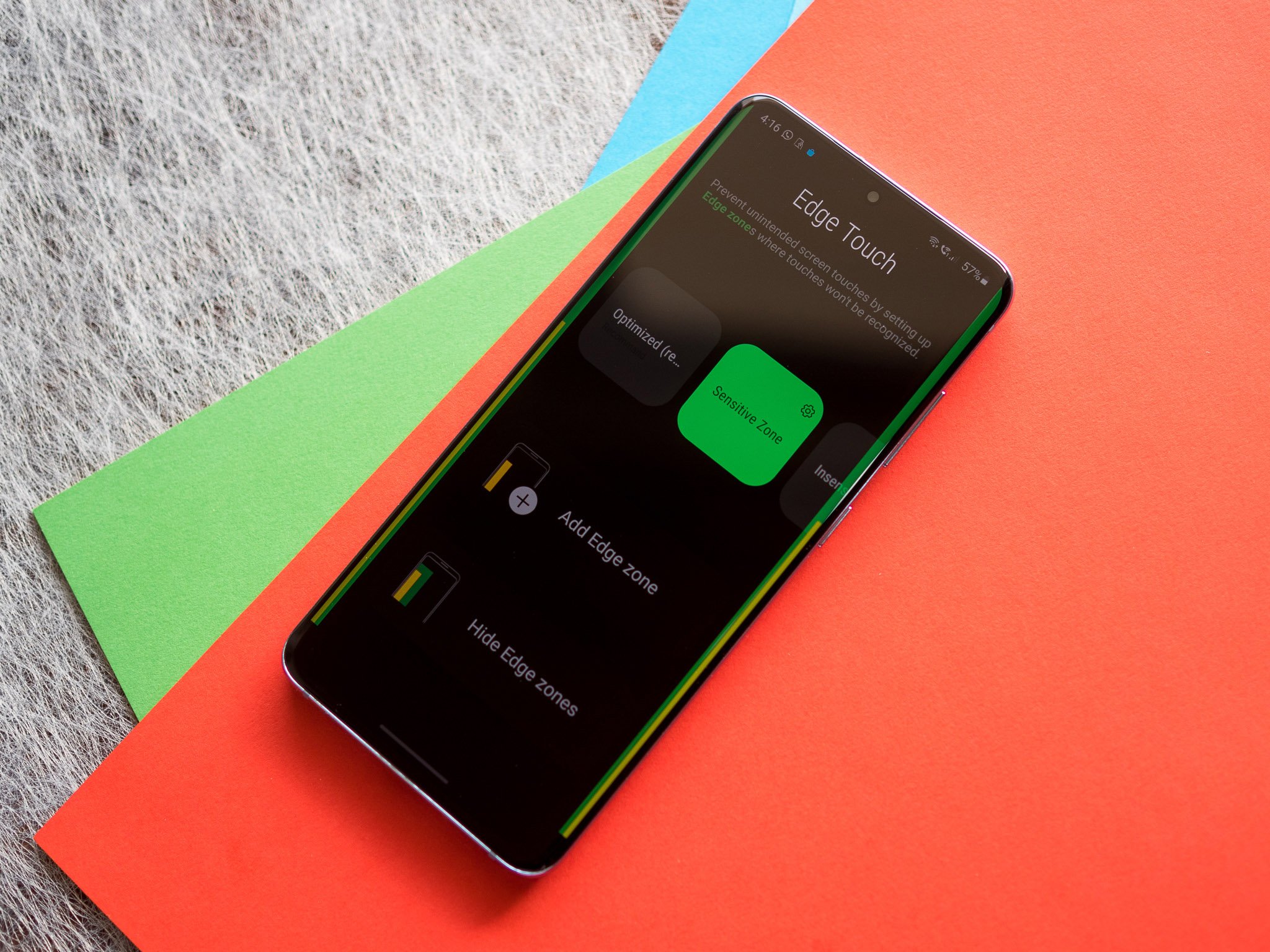
Samsung pioneered dual-curved screens, and while the panels look stunning with the way they curve outward, they're not so great at usability. Accidental touches are a big problem, and EdgeTouch lets you set up zones where your touch won't be recognized. There are three preset zones, but you can customize your own zone based on your use case.

Catch misbehaving apps with Nice Catch
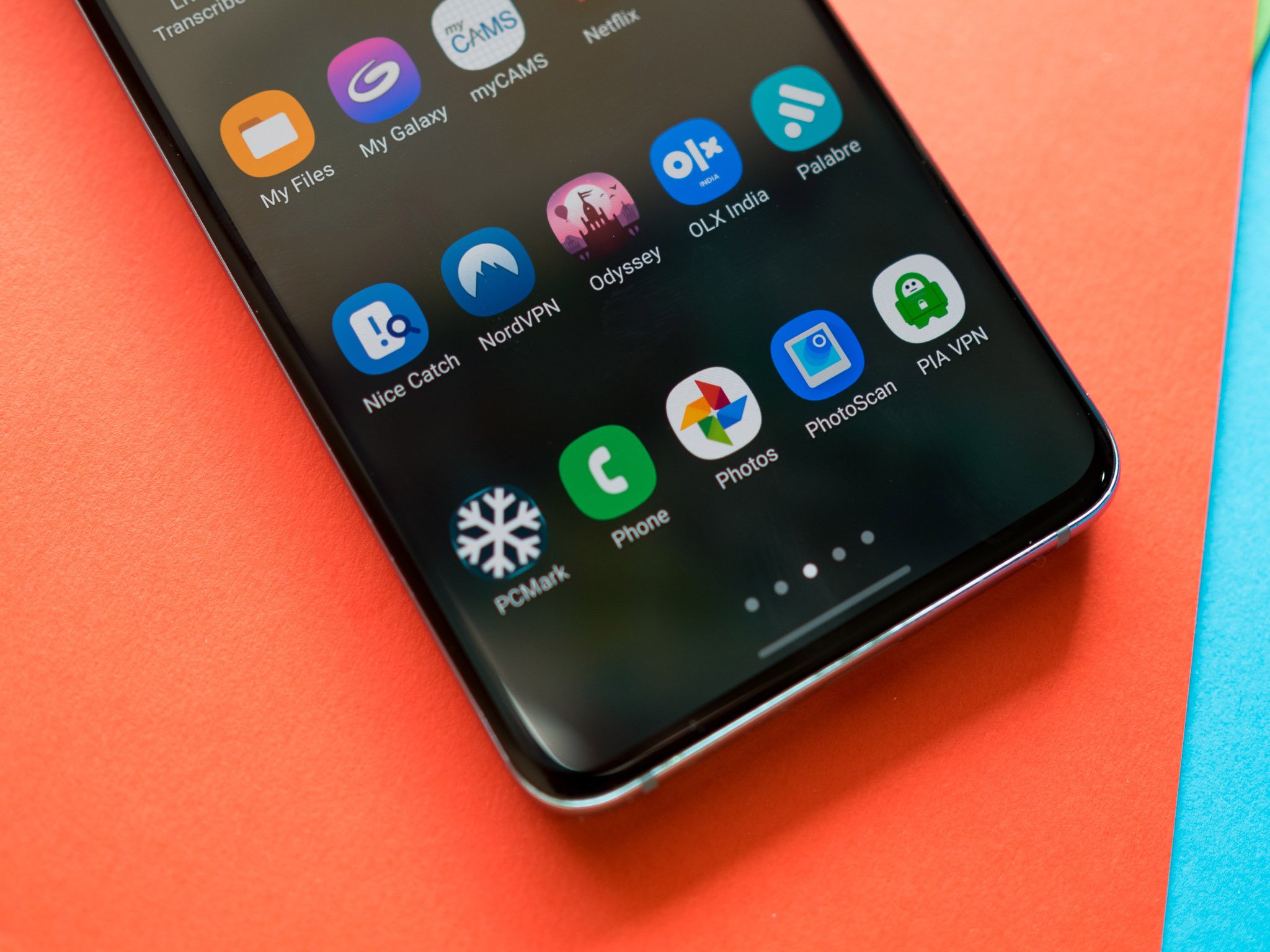
Nice Catch logs every event on your phone: every time an app wakes the screen, every phone call, notification, and even every toast notification. You can even see what apps triggered the vibration motor in the last seven days, a detailed list of apps that woke up your device's screen, apps that changed system settings, and so much more. If you're worried about an errant app using up battery cycles or waking the screen, you'll find evidence of that here.

With EdgeLighting+, you won't miss the notification LED as much
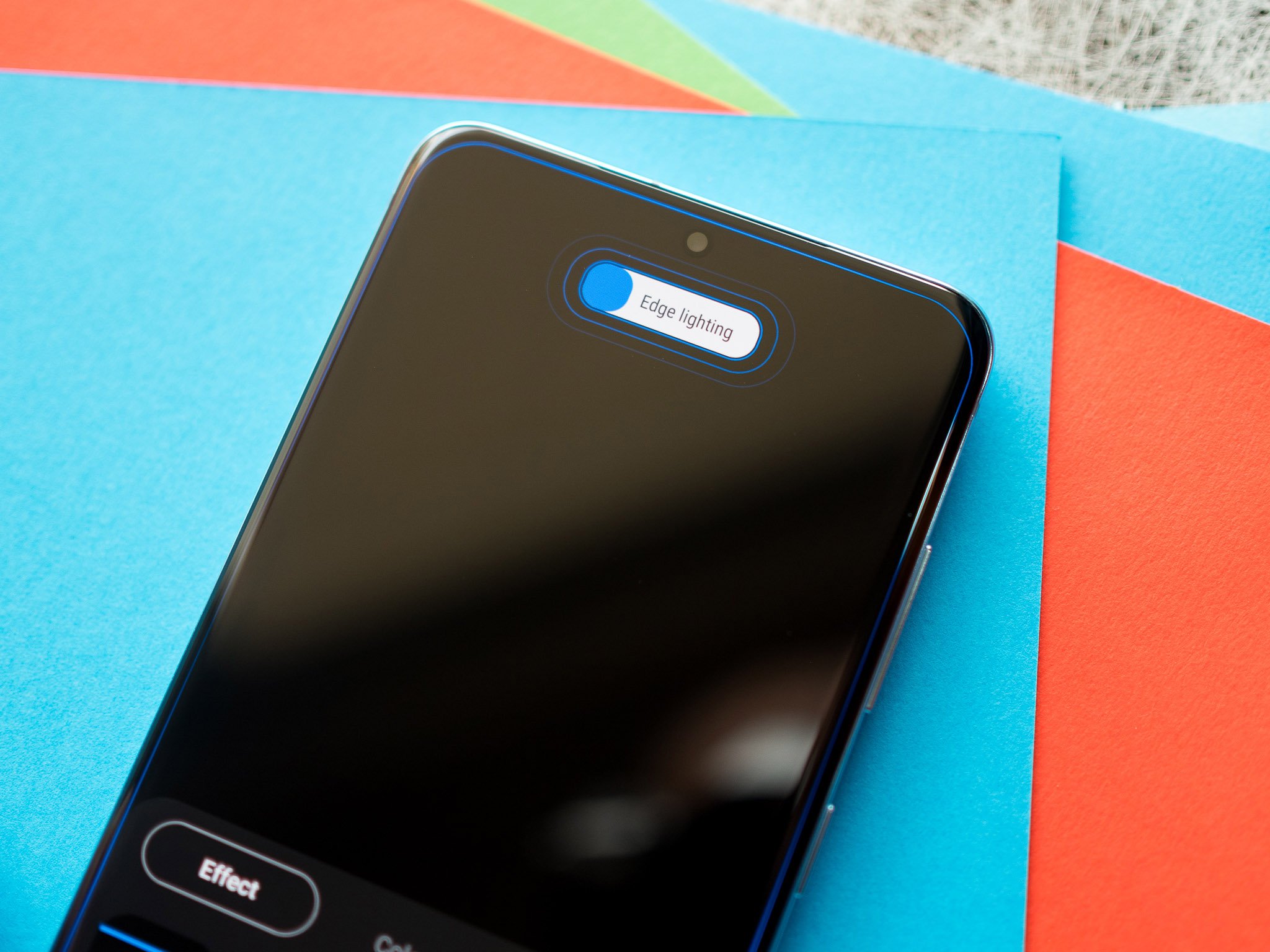
With the notification LED going the way of the 3.5mm jack, brands have resorted to edge lighting as a visual cue for incoming notifications. EdgeLighting+ gives you eight different settings for notifications, and you can set up custom colors, adjust the width of the lighting effect, and the duration. I haven't used Edge Lighting on Galaxy phones a lot, but it does make a difference — particularly if you used to rely on the notification LED a lot.

Use your phone one-handed with One Hand Operation+
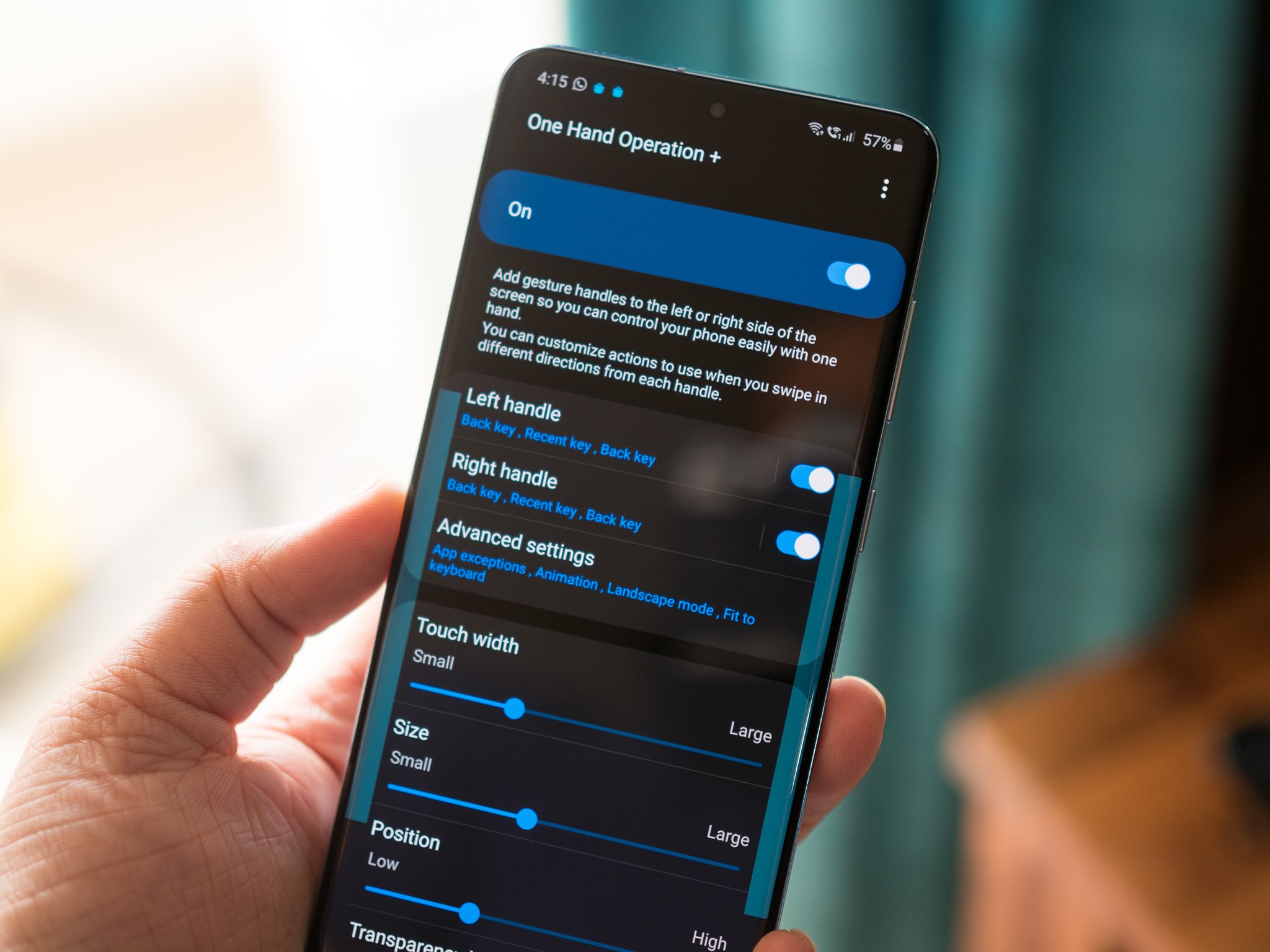
As the name suggests, One Hand Operation+ lets you easily control your phone one-handed. It extends the gesture controls on either side of the screen, and you can set custom actions based on your needs, including pulling down the notification shade, accessing the recents menu, and much more.

Phones have been getting narrower and taller over the last three years, and One Hand Operation+ makes it that much easier to set up your phone for one-handed use.

Lots to check out

Good Lock 2020 gives you an exhaustive set of tools to change just about every facet of the user interface on your Galaxy phone. Credit where it's due, Samsung has done a fantastic job with the utility. The sheer amount of customization on offer here makes Good Lock the perfect utility for changing the look and behavior of your phone.

Beast mode

Samsung Galaxy S20

$1,000 at Samsung

The phone to beat right now

The Galaxy S20 has all the features you care about. There's a gorgeous 120Hz AMOLED panel that's the best you'll find on any phone today, the latest Qualcomm Snapdragon 865 chipset with 5G connectivity, brand new camera sensors with exciting new modes, and a 4000mAh battery that lasts all day.

from Android Central - Android Forums, News, Reviews, Help and Android Wallpapers https://ift.tt/2UvMPdD
via IFTTT